

Introduction
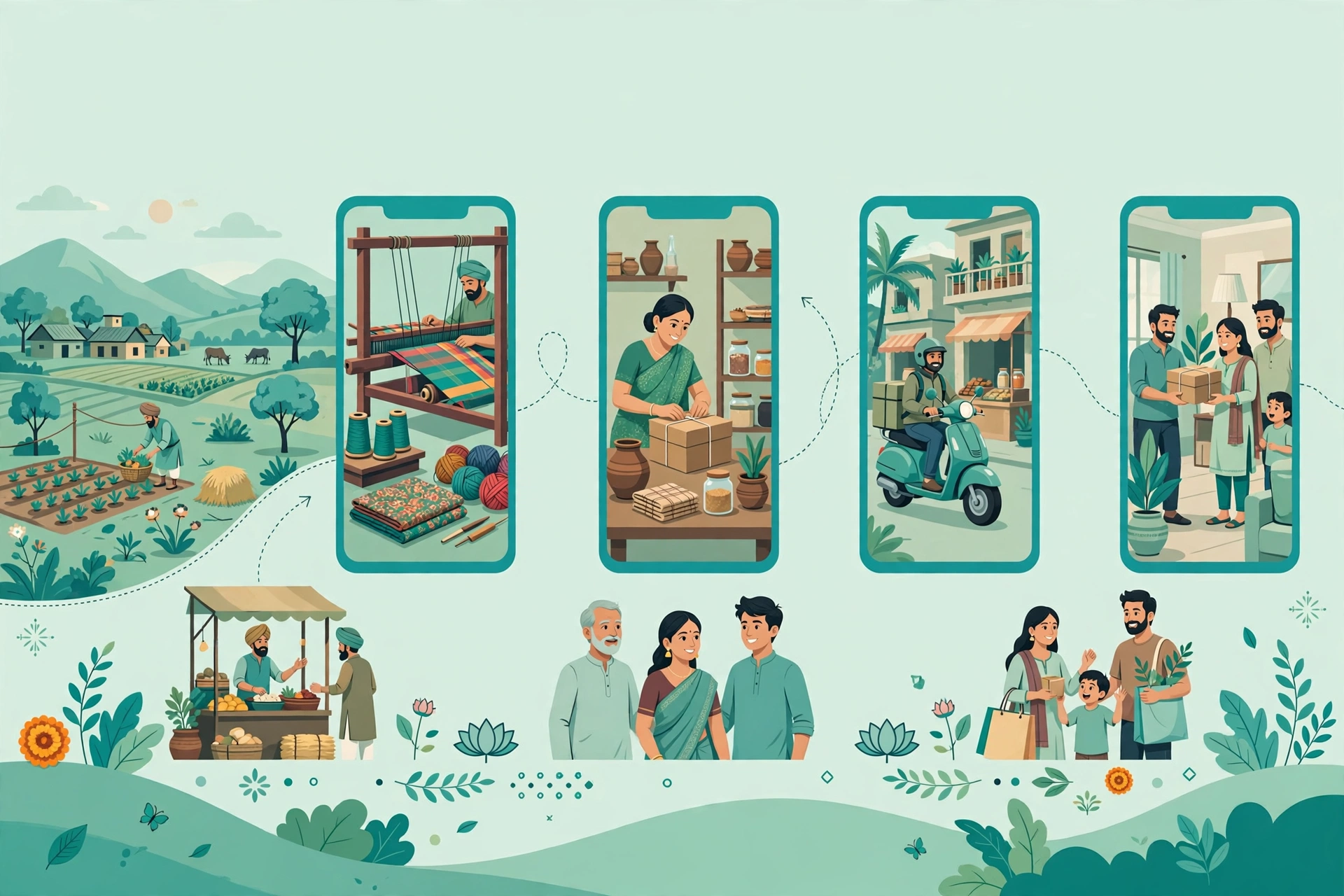
Indian consumers are exposed to more advertising than ever before, yet they remember very few ads. What they do remember are stories: the founder who started in a small shop, the customer whose daily routine changed, the local brand that understood a festival, a language, or a family tradition better than a large competitor did.
Brand storytelling is not about inventing a dramatic tale. It is about telling the true story of your brand in a way that people can feel, follow, and repeat. When it is done well, it turns a product description into a reason to trust, a social post into a conversation, and a first time buyer into a repeat customer.
This guide explains brand storytelling techniques that work for Indian brands in 2026. It covers the frameworks behind strong stories, the formats that suit different budgets, how to use regional languages and cultural moments honestly, and how to measure whether your stories are actually working. It goes beyond generic examples by focusing on the gaps most guides miss: small brand budgets, India specific channels such as WhatsApp and Reels, and the line between an authentic story and an exaggerated claim.

Why Stories Work When Features Do Not
Features tell a buyer what a product does. Stories tell a buyer why it matters, and to whom. That difference matters in India, where many categories are crowded and price comparison is only a click away.
A story works because it gives the brain three things at once: a character to care about, a tension to resolve, and a change to remember. A list of specifications gives none of these. A customer who hears how a home baker in Indore turned weekend orders into a full time business will remember that baker long after forgetting the exact price of a baking course or a mixer.
Stories also travel. People forward a good founder video on WhatsApp, share a Reel that made them smile, and repeat a customer story to a friend. A feature list rarely gets forwarded. For Indian brands that rely on word of mouth, that sharing effect is often more valuable than a paid campaign.
None of this means features do not matter. It means features should arrive inside a story, at the moment the reader understands the problem and wants the solution. Lead with the person and the problem, then let the product earn its place.
The Core Framework: Character, Tension, Change
Almost every strong brand story follows a simple shape, even when the format changes.
First, introduce a character the audience recognises. This could be a founder, a customer, an employee, or a community. The character should feel specific, not generic. “A mother in Jaipur who runs a tiffin service” is stronger than “a busy professional”.
Second, show the tension. Tension is the gap between where the character is and where they want to be. It might be a practical problem, such as unreliable suppliers, or an emotional one, such as the fear of starting a business after a job loss. Without tension, there is no reason to keep reading or watching.
Third, show the change. What did the character try, what helped, and what is different now? The brand should be part of the change, but it should not be the hero. The customer is the hero. The brand is the guide that helped them get there.
Finally, end with a clear, honest next step. That might be trying a product, reading a guide, visiting a store, or simply following the brand for more stories. A story without a next step is pleasant but forgettable.
Use this framework as a checklist before you publish any story. If you cannot name the character, the tension, and the change in one sentence each, the story is not ready yet.
Seven Storytelling Techniques Indian Brands Can Use Today
1. The founder origin story
Tell how and why the brand started, with specific details: the place, the first customer, the first failure, and the lesson that shaped the business. Indian audiences respond strongly to origin stories because they signal honesty and hard work, but only when the details are real. Avoid vague claims such as “we always believed in quality”. Say what happened, when, and what you changed because of it.
A good founder story also explains a present choice. If you use local suppliers, say why that decision was made. If you price higher than competitors, explain what that price protects. Origin becomes strategy, not just nostalgia.
2. The customer journey story
Let a real customer tell their journey in their own words, with permission and with accurate details. Structure it as before, during, and after: what life looked like before, what they tried, and what changed after using your product or service.
Keep these stories specific and verifiable. Name the city or context where appropriate, describe the actual result, and avoid promising the same result to every reader. A believable customer story with modest, honest results outperforms an exaggerated success story that readers immediately doubt.
For more on writing customer focused content that ranks and converts, see our guide to content marketing in India.
3. The behind the scenes story
Show how something is made, delivered, or decided. A short video of a product being packed, a photo series from a workshop, or a post explaining why a feature was removed can build more trust than a polished advertisement.
Behind the scenes content works especially well for Indian small brands, because it proves scale honestly. A small team that shows its real process looks trustworthy. A small team that pretends to be a large corporation looks uncertain. Show the real size, and let quality speak.
4. The community and place story
India is not one market. A story that works in Delhi may fall flat in Kochi, and a story in Hindi may miss a Tamil speaking audience entirely. Community stories root your brand in a place, a language, a festival, or a shared habit.
This technique needs care. Do not borrow a festival or a regional symbol only for a sale. Connect it to something your brand genuinely does: sourcing from that region, serving customers there, hiring from that community, or celebrating with them in a way that continues after the campaign ends. Our guide to regional language content for Indian brands explains how language choice itself becomes part of the story.
5. The problem and process story
Some products are hard to explain with emotion alone. In that case, tell the story of a problem being solved step by step. Start with a relatable frustration, show the wrong approaches people usually try, then walk through the approach that worked, including one honest limitation.
This technique suits B2B brands, software tools, and service businesses. It positions the brand as knowledgeable without sounding like a sales pitch, because the value is in the process the reader learns, not only in the product being sold.
6. The values in action story
Instead of stating values such as trust, quality, or sustainability, show one decision where a value cost you something. Did you refuse a shortcut that would have saved money? Did you replace a supplier who cut corners? Did you refund a customer when the contract did not require it?
Values in action are memorable because they involve a trade off. A value with no cost is just a slogan. One concrete example, told plainly, will do more for your reputation than a full page of value statements.
7. The short form serial story
Not every story needs to be long. A series of short Reels, WhatsApp updates, or blog posts can follow one character over weeks: a new store opening, a product launch, a customer preparing for a wedding, a student learning a skill.
Serial stories reward consistency. Each episode should stand alone, but together they build familiarity. Plan the arc in advance, so episode one creates a question that episode three answers, rather than publishing disconnected posts and hoping an audience connects them.
Choosing Formats on a Small Budget
A common mistake is assuming storytelling requires a film crew. In India in 2026, the most effective brand stories often use simple formats well.
Short video, especially Reels and YouTube Shorts, suits founder moments, customer reactions, and behind the scenes clips. Keep them under 60 seconds, start with the tension in the first three seconds, and add captions, since many viewers watch without sound.
Written stories suit blogs, email newsletters, and LinkedIn posts, where detail and search visibility matter. A written customer journey can rank on Google, be forwarded on WhatsApp, and be reused as a sales conversation aid. Written stories also let you include links, FAQs, and next steps more naturally than video alone.
Audio and community formats, such as a short podcast clip, a WhatsApp voice note from a founder, or a live Q and A, suit audiences who prefer listening or who live in areas with slower video streaming. Do not ignore these channels simply because they look less polished.
The rule is simple: choose the format your audience already uses, and the format your team can sustain weekly. One strong story format, published consistently, beats five formats started and abandoned.
Regional Languages, Culture and Honesty
India’s storytelling advantage is also its storytelling risk. Language, festivals, and local customs carry deep meaning, and audiences notice quickly when a brand uses them superficially.
If you publish in Hindi, Tamil, Marathi, Bengali, or another language, use writers who actually speak it, not machine translation polished by a non speaker. Small errors in idiom or tone can undo the trust a story was meant to build.
If you build a story around a festival, ask whether the connection will still make sense after the festival ends. A Diwali story about family gifting works for a gifting brand all year as a values story. A Diwali discount dressed up as a story does not, and audiences can tell the difference.
The same honesty applies to social causes. If your brand supports a cause, show the ongoing work, the people involved, and the measurable result. A single campaign post with no follow up will be read as marketing, not as commitment.
How to Measure Whether a Story Works
Storytelling without measurement becomes guesswork. You do not need complex tools, but you do need clear signals.
Track these four signals for each major story:
- Attention: views, read time, and completion rate. Did people stay to the end?
- Sharing: forwards, shares, and saves. Did people pass it on without being paid to?
- Action: clicks, enquiries, sign ups, or store visits that followed the story. Did it move anyone to a next step?
- Recall: comments and messages that repeat the story back. Do people mention the character or the moment, not just the product name?
Compare stories on the same channel, not across different channels, and give a story at least two weeks before judging it, unless the early data is clearly negative. A slow story that gets forwarded in WhatsApp groups for a month may outperform a viral post that nobody remembers the next day.
If a story performs poorly, check the framework first. Was the character specific? Was the tension clear in the opening? Was the change believable? Most weak stories fail on one of those three points, not on production quality.
A Simple Story Bank System for Your Team
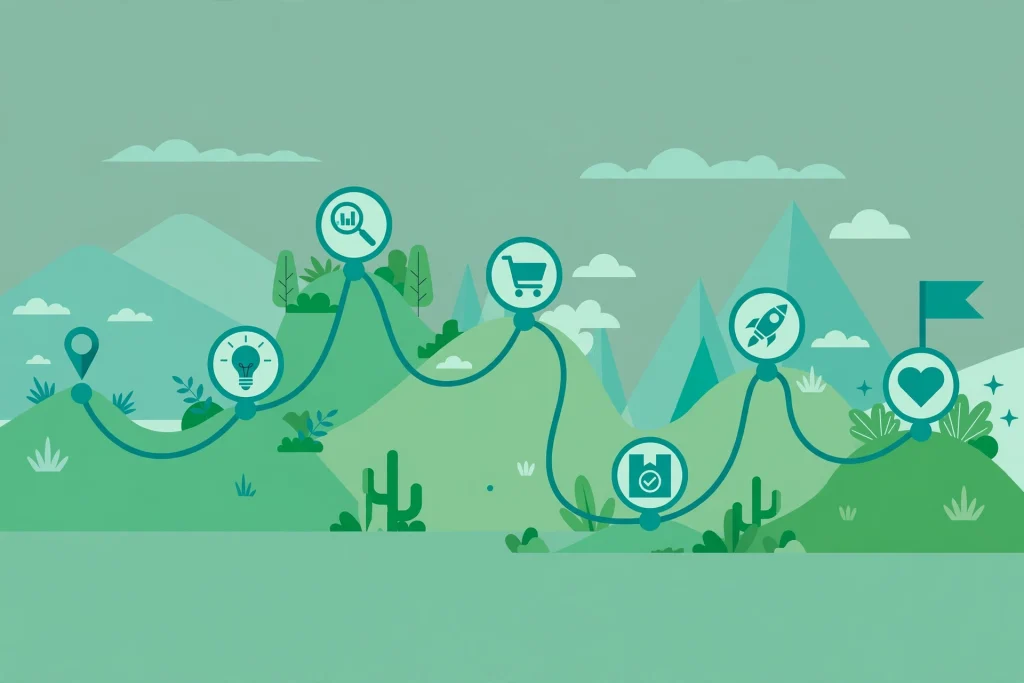
Great stories are often lost because nobody records them. Build a simple story bank, a shared document with one row per story idea, and update it weekly.
Each row should record: the character, the tension, the change, the format, the language, the permission status if a customer is involved, and the link to the published piece. Add a column for follow up: can this story be updated in three months, turned into a Reel, or reused for a festival?
Encourage everyone, not only marketers, to contribute. Delivery staff hear customer stories daily. Support teams hear frustrations that become powerful problem stories. Founders hold origin details that no agency can invent. A short weekly prompt, such as “what did a customer say this week that surprised you”, often produces more usable stories than a quarterly brainstorm.
When you write from the story bank, keep the human editing step described in our AI content editing checklist for Indian writers. Stories need a human check for accuracy, tone, and permission before they go live, even when AI helped draft them.
FAQ
What is brand storytelling in simple terms?
Brand storytelling is telling the true story of your brand, your customers, or your community in a way that people can feel and remember. Instead of only listing features, it shows a character, a problem, and a change, so the audience understands why your brand matters.
Do small Indian brands need storytelling, or is it only for large companies?
Small brands often benefit more, because a clear story helps them stand out without a large advertising budget. A founder story, a customer journey, or a behind the scenes video can build trust faster than a generic advertisement, especially when shared through WhatsApp, Reels, and local search.
How long should a brand story be?
It depends on the format. A Reel can work in under 60 seconds. A blog customer story usually needs 600 to 1,200 words to feel complete. A founder story for a website About page can be longer if every paragraph adds a specific detail. The test is not length, but whether the character, tension, and change are all clear.
Can I use customer stories without permission?
No. Always get clear permission before publishing a customer’s name, photo, city, or detailed story, and let them review the draft if the story is personal. Permission protects the customer, and it also makes the story more credible, because real people stand behind it.
Should brand stories be in English or regional languages?
Use the language your audience actually speaks and searches in. For many Indian brands, that means English plus one or more regional languages, with separate versions written by fluent writers, not direct translations. Regional language stories often reach audiences that English content misses entirely.
How is brand storytelling different from content marketing?
Content marketing is the broader practice of creating useful content to attract and retain customers. Brand storytelling is one powerful approach within it, focused on narrative, character, and emotion. A brand can do content marketing without strong stories, but stories usually make that content more memorable and shareable.
Conclusion
Strong brand storytelling in India is not about bigger budgets or louder claims. It is about specific characters, honest tension, and believable change, told in the language and format your audience already trusts.
Start with one true story this week. Pick a customer or a founder moment you already know, write it using the character, tension, and change framework, and publish it in the format you can sustain. Then record it in your story bank, watch how people respond and share it, and build your next story from what you learn.
Over time, those stories compound. They become the reason people remember your brand when prices look similar, and the reason they recommend you when a friend asks whom to trust.

2 Comments
Pingback: Product Description Writing for Indian E-commerce Brands: A Practical 2026 Guide
Pingback: How to Write an About Us Page for Indian Businesses: A Practical 2026 Guide