

Introduction
A restaurant in India in 2026 cannot rely only on food delivery apps. Swiggy and Zomato bring orders, but they take roughly 17 to 30 percent commission on every order and control your customer data. When a customer orders through an app, the app owns that relationship. When the same customer orders through your own website, you keep the full margin and the phone number, and you can invite that customer back with a festival menu or a weekend offer.
A good restaurant website is a sales channel, a menu, a reservation desk, and a local marketing tool in one place. Unlike aapta.in, which focuses mainly on cost, and neweb.ai, which mainly ranks builders, this guide covers platforms, costs, and the full build in one place.
Why Your Restaurant Needs Its Own Website in 2026
Most Indian diners now discover food on a phone. They search on Google, check photos and reviews, look at the menu and prices, and then decide whether to visit, call, or order. If your restaurant has no website, Google has little to show except an app listing, and you lose control over the first impression.
A website gives you three advantages. First, you save money. If you sell food worth Rs 1,00,000 in a month through delivery apps at 25 percent commission, you pay Rs 25,000 in commission. If half of those customers order directly, you can save more than Rs 12,000 a month, even after a gateway fee of about 2 percent. Second, you own the customer, with names, phone numbers, and order history for WhatsApp offers. Third, you build local visibility, because a website with your real menu, prices in rupees, photos, hours, address, and reviews helps Google show you in local search and on Google Maps.
What a Good Restaurant Website Must Do
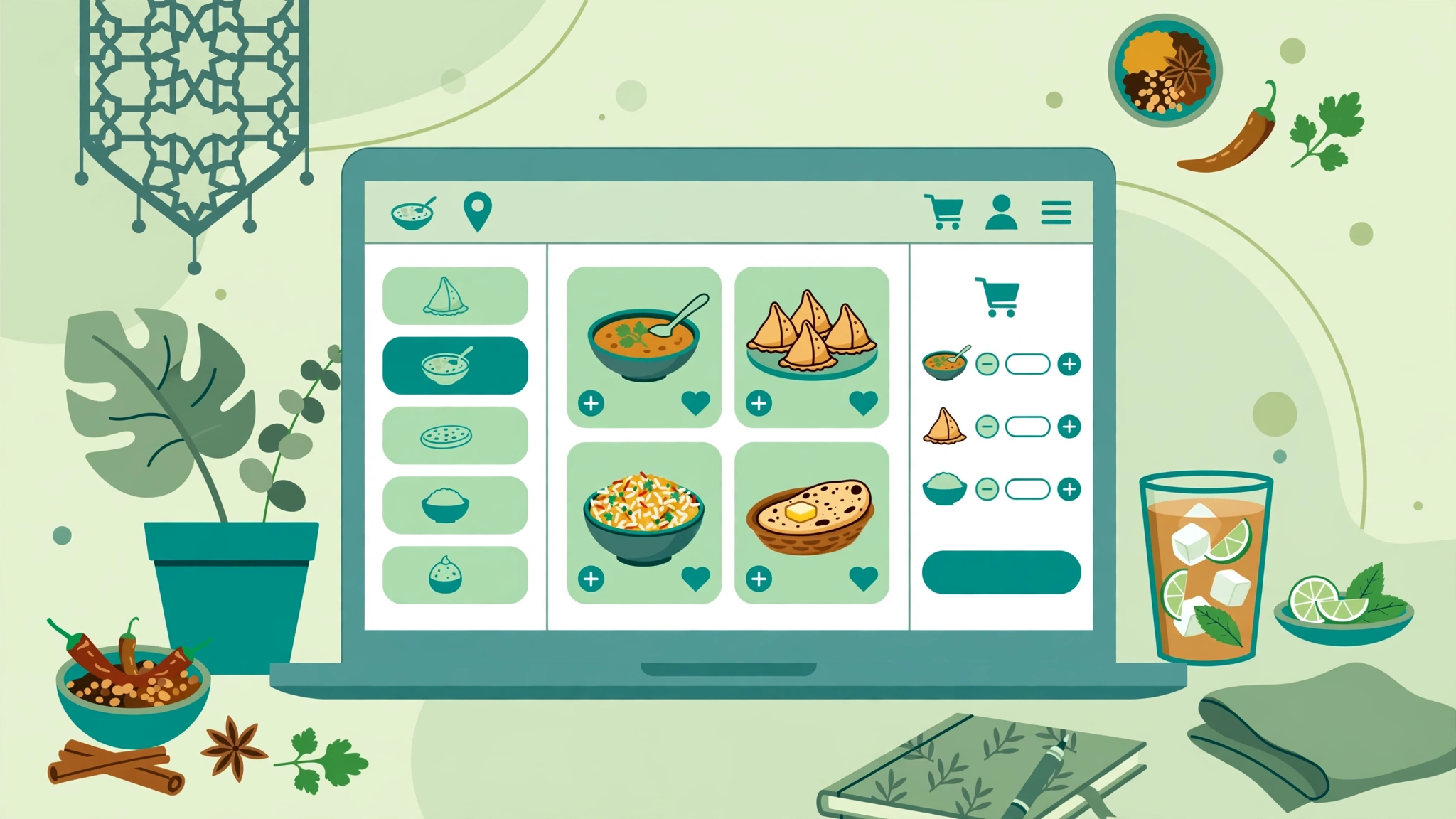
A good restaurant website should show the menu clearly, with veg and non veg marks, prices in rupees, and good photos, so customers do not have to download a PDF. It should take orders online, with a cart, delivery or takeaway choice, time slot, and payment through UPI, cards, net banking, and wallets. It should help people find you, with your address, a Google Maps embed, opening hours, and a clear call button on mobile. If a platform cannot do online ordering and UPI payments easily, it is not the right choice for direct sales.
Best Platforms to Create a Restaurant Website in India
WordPress with WooCommerce is the most flexible option and the best choice for most serious restaurants. Hosting costs Rs 200 to Rs 500 per month, a domain about Rs 800 to Rs 1,200 per year, and a premium theme Rs 3,000 to Rs 6,000 once. For a full online store, see this guide to how to build an ecommerce website in India.
Wix suits owners who want to build the site themselves quickly, without a developer. Its templates look clean, it has a built in ordering system called Wix Restaurants, and you can add a menu and reservations with drag and drop tools. Plans in India generally start around Rs 1,300 to Rs 2,500 per month. Check UPI support before you pay.
Hostinger AI Website Builder is one of the cheapest ways to start, with plans in India often starting at Rs 200 to Rs 400 per month. Its AI builder can create a restaurant website from a short description. Ordering is basic, and you may need WhatsApp or a simple form instead of a full cart.
Dukaan is made for Indian small businesses and is popular with cloud kitchens. You can create a food ordering website quickly, add a menu with photos and prices, accept UPI payments, and manage orders from a mobile app. Plans are often Rs 1,000 to Rs 2,000 per month.
POS integrated builders like Petpooja suit restaurants that already use a POS and billing system. Petpooja connects its website and ordering system directly to its POS, so menu changes, stock, and orders stay in sync.
Google Business Profile is free, and every restaurant should have one, but it is not a website. It gives you a listing on Google Search and Google Maps with address, hours, photos, menu link, and reviews. For free and low cost tools, see this roundup of the best free website builders in India.
Step-by-Step: How to Create Your Restaurant Website
- Plan the menu and ordering flow. List each dish with name, price in rupees, veg or non veg status, photo, and availability. Set delivery areas, charges, minimum order, and preparation time.
- Buy a domain and hosting. Choose a short domain that matches your restaurant name. Pick hosting with SSL, daily backup, and good speed in India.
- Choose your platform and theme. Pick WordPress, Wix, Hostinger, Dukaan, or a POS builder above.
- Build the core pages: home, menu, about, gallery, contact, and reservations, with address, phone, WhatsApp button, hours, and delivery information.
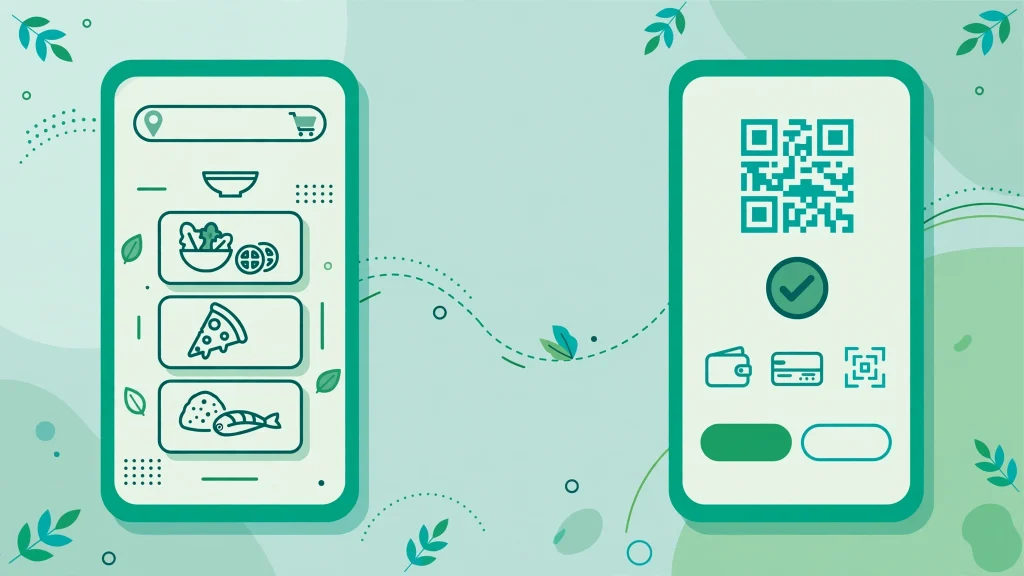
- Set up ordering and payments. Add menu items, set delivery and takeaway options, and connect Razorpay or Cashfree. Test a real small order and pay by UPI.
- Set up local SEO. Use the same name, address, and phone on the website and Google Business Profile, add a Maps embed, and submit the site to Google Search Console.
- Test, launch, and promote. Test on Android and iPhone and test payment failure. On launch day, put a QR code on tables and bills, and offer a small first order discount.
Must-Have Features for a Restaurant Website in India
- Mobile first menu with veg and non veg marks, rupee prices, photos, and filters for Jain, vegan, or spicy dishes.
- Online ordering with a cart, customisation, delivery or takeaway choice, time slot, and SMS or WhatsApp confirmation.
- UPI and card payments via Razorpay or Cashfree, plus cash on delivery if your area expects it.
- Table reservations with date, time, guests, and phone confirmation.
- Photo gallery with real food and dining photos, updated when the menu changes.
- Clear delivery information: areas, charges, minimum order, preparation time, and packaging charges.
- Contact details on every page: call button, WhatsApp button, address, and hours.
How Much Does a Restaurant Website Cost in India in 2026
A starter build usually costs roughly Rs 40,000 to Rs 70,000 when you hire a freelancer or a small agency to build a WordPress restaurant website with menu, online ordering, UPI payments, reservations, and basic local SEO. A simple DIY build on Wix or Hostinger can cost much less, often Rs 5,000 to Rs 15,000 in the first year, but you spend your own time building it. Monthly running costs are usually roughly Rs 2,000 to Rs 3,000, including hosting, domain renewal, and basic maintenance. Gateway fees are extra, usually about 2 percent plus GST, so a Rs 500 UPI order costs about Rs 10 plus GST in fees. For a detailed breakdown, read this guide on how much a website costs in India.
Online Ordering, UPI Payments and Delivery
Keep the menu easy to search. Group dishes into starters, mains, breads, rice and biryani, desserts, and beverages, or into North Indian, South Indian, and Chinese sections. At checkout, offer UPI first, then cards, net banking, wallets, and cash on delivery. Razorpay and Cashfree both support UPI intent flow, where the customer approves payment in Google Pay, PhonePe, or Paytm and returns to your website. Test this flow on a real phone, and test payment failure too, so the customer can retry without losing the cart. For delivery, be honest about time and area. If you deliver only within 5 km, say so. Set a clear delivery charge, a free delivery threshold if you offer one, and a minimum order value.
Local SEO: Get Found on Google and Google Maps
Local SEO is how nearby customers find you when they are hungry and ready to order. Start with your Google Business Profile. Use your exact name, correct address, phone number, and hours, and use the same details on your website. On your website, use local keywords naturally. If you are in Pune, a section about best misal pav in Pune or veg thali in Pune helps Google connect you to those searches. Add your area, landmark, and city in the footer and contact page, and add a Google Maps embed. Ask happy customers to leave a Google review, for example through a QR code on the bill.
How to Work With Zomato and Swiggy Without Depending on Them
You do not have to leave Zomato and Swiggy. They bring discovery and delivery reach that a new website cannot match on day one. Use them as a discovery channel while you build direct orders. Keep your app listings updated with the same menu, prices, and photos as your website. Put a card or QR code in every app delivery bag that offers a discount on the next direct website order.
Common Mistakes to Avoid
Do not use a PDF menu as the only menu, because customers on a phone cannot search a PDF, and Google cannot read it well. Do not hide prices, because customers who cannot see prices will leave. Do not use only stock photos. Do not make checkout too long. Ask only for name, phone, address, and payment, and do not force account creation before the first order. Do not ignore mobile, because most visitors come from a phone. Do not forget to update hours and availability, and do not skip testing UPI payment on a real phone, because a payment failure can lose a customer permanently. Update the menu, offers, photos, and hours regularly, and check Google Business Profile every week.
Launch Checklist for Your Restaurant Website
Check that domain, hosting, and SSL are active, and the website loads fast on mobile and desktop. Check that the menu is complete with prices in rupees, veg and non veg marks, photos, and correct availability. Check that online ordering works end to end, with cart, delivery and takeaway options, and a successful test order. Check that UPI, card, and cash on delivery options are tested, and payment failure messages are clear. Check that the reservation form sends a confirmation, and that contact details, address, Google Maps, hours, and WhatsApp and call buttons are correct on every page. Print QR codes for tables and bills, and add the website link to Instagram and WhatsApp Business.
Frequently Asked Questions
How much does it cost to create a restaurant website in India in 2026?
A starter WordPress restaurant website usually costs roughly Rs 40,000 to Rs 70,000 to build, and roughly Rs 2,000 to Rs 3,000 per month to run, plus gateway fees of about 2 percent.
Which platform is best for a restaurant website in India?
WordPress with WooCommerce is best for most restaurants that want full control, ordering, UPI payments, and strong local SEO. Wix is best for an easy DIY build, Dukaan for a simple cloud kitchen, and Petpooja if you already use that POS.
Can I accept UPI payments on my restaurant website?
Yes. Connect Razorpay or Cashfree, and customers can pay by UPI through Google Pay, PhonePe, and Paytm, as well as by card, net banking, and wallets.
Do I still need Zomato and Swiggy if I have my own website?
Yes, at least in the beginning. They help new customers discover you.
How long does it take to build a restaurant website?
A simple website on Wix, Hostinger, or Dukaan can be live in 3 to 7 days if your menu, photos, and prices are ready.
How do I get my restaurant website to appear on Google Maps?
Create and verify a Google Business Profile with your exact name, address, phone, hours, and photos, link it to your website, add the same details and a Maps embed on your contact page, and collect genuine Google reviews regularly.
Conclusion
Creating a restaurant website in India in 2026 is a practical way to protect your margin from high app commissions, own your customer relationships, and get found by hungry customers on Google. Choose a platform that fits your budget, build a mobile first menu with real prices in rupees, add ordering with UPI payments through Razorpay or Cashfree, and invest in local SEO and Google Business Profile from day one.

1 Comment
Pingback: How to Create a Real Estate Website in India 2026: Platforms, Costs and Lead Generation