


Introduction
Social media can change its algorithm overnight, but an email list belongs to you. That is why newsletters are growing again in India in 2026, even as short video dominates attention. A newsletter lets a creator, freelancer, teacher, consultant, or small business speak directly to readers who asked to hear from them, without fighting an algorithm for every view.
Starting a newsletter in India is also more practical than it used to be. Platforms such as Substack, Beehiiv, Kit, Ghost, and Mailchimp handle delivery, payments, and subscriber management, while UPI and Indian payment options make paid subscriptions easier for Indian readers. The hard part is not the technology. It is choosing a narrow topic readers care about, publishing consistently, and growing past the first few hundred subscribers without burning out.
This guide covers the full path: picking a niche that can actually earn, choosing a platform for Indian creators, setting up your first issue, growing your first 1,000 subscribers, and monetising honestly. Competitor guides on newsletters usually list platforms and monetisation methods, but they skip the Indian specifics: payment friction, language choice, WhatsApp growth, and realistic timelines for a solo creator. This article fills those gaps, so you can start this week with a plan that survives month three.
Why a Newsletter Still Works in 2026
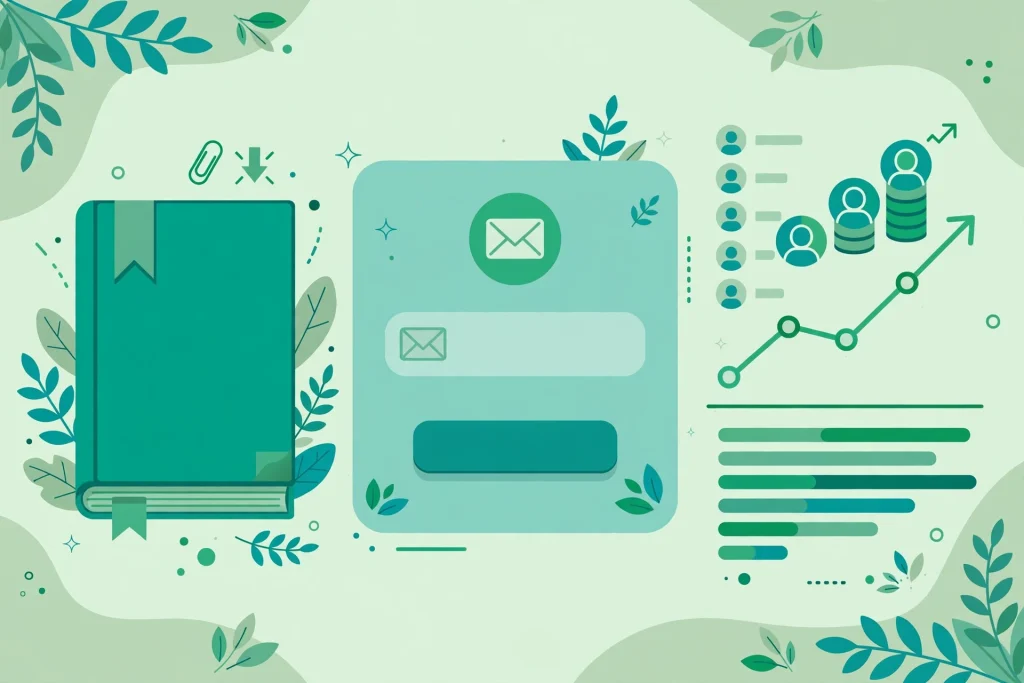
A newsletter solves three problems that social media creates. First, reach: your email goes to the inbox, not to a feed ranked by an algorithm. Second, depth: you can explain, compare, and teach in a way a 30 second video cannot. Third, ownership: if a platform changes its rules, you still have your list and you can move it to another tool.
For Indian creators, email also fits how professional audiences already work. Founders, marketers, teachers, students, and freelancers check email for work, learning, and deals. A useful weekly email that saves time, explains a decision, or curates the best opportunities can become a habit, and habits are what make newsletters valuable.
Newsletters also pair well with other content. A YouTube video can bring discovery, a newsletter can bring depth and trust, and a paid product can bring revenue. Creators who only rely on one platform are vulnerable. Creators with an email list have a second home for their audience.
Pick a Niche That Readers Will Pay Attention To
The biggest reason newsletters fail is a topic that is too broad. A newsletter about startup tips, motivation, or general technology competes with thousands of free sources. A newsletter about AI workflows for Indian B2B sales teams, GST and compliance updates for small CA firms, or affordable study abroad options for students from Tier 2 cities competes with far fewer sources and serves readers who have money at stake.
Use three tests for your niche. First, does the reader have a recurring decision or problem? Weekly decisions, such as what to buy, what to learn, what to invest in, or how to run a business, create recurring newsletter value. Second, can you name 50 issue ideas without repeating yourself? If you struggle at issue ten, the niche is too narrow or you do not know it well enough yet. Third, do the readers have commercial value? Readers who buy tools, courses, services, or memberships make sponsorships and products viable. Readers with no buying intent can still be a great free audience, but monetisation will be slower.
Also decide on language early. An English newsletter reaches a professional, pan India audience. A Hindi or regional language newsletter can reach a larger, less served audience, but it needs a writer who can sustain quality and a growth strategy that fits that audience, often through WhatsApp, YouTube, and regional communities. Do not promise a bilingual newsletter unless you can actually write both versions well every week.
Choose a Platform for Indian Creators
Platform choice should follow your goal, not trends. Here is a simple way to decide.
Choose Substack if you want the simplest start, built in discovery, and easy paid subscriptions, and you are comfortable with its fees and limited design control. It is a strong choice for writers who want to publish, not manage technology.
Choose Beehiiv if you want growth tools, referral programmes, and newsletter focused analytics, and you plan to grow mainly through referrals and sponsorships. It suits creators who treat the newsletter as a media business.
Choose Kit, formerly ConvertKit, if you want commerce, automations, and landing pages, and you plan to sell courses, templates, or services alongside the newsletter. It suits creators and freelancers with products to sell.
Choose Ghost if you want full control, your own website, and memberships without high platform fees, and you are comfortable with some technical setup or paying for hosting. It suits creators who already run a website and want the newsletter as part of it.
Choose Mailchimp or MailerLite if you mainly need reliable email delivery for a business list, with simple automation and forms, rather than a public newsletter publication. They suit small businesses whose newsletter supports sales, not subscriptions.
For Indian payments, check carefully before you promise paid tiers. Confirm whether the platform supports UPI, Indian cards, and Razorpay or Stripe India in a way your readers can actually use. A paid newsletter that Indian readers cannot pay for easily will lose subscribers at checkout, no matter how good the content is. Test the payment flow yourself, with a real Indian card or UPI, before you announce a paid tier.
Set Up Your Newsletter in One Weekend
You do not need a perfect brand to start. You need a clear promise, a simple signup page, and three sample issues or outlines. Start with a name that says what the reader gets, not just a clever word. A name like Weekly AI Tools for Indian Marketers is clearer than a name that only you understand.
Write a one sentence promise for the signup page: who it is for, what they get, and how often. For example: a weekly email for Indian freelancers with one client getting tactic, one pricing script, and three useful links, every Tuesday. That promise helps the right people subscribe and helps the wrong people leave, which improves open rates.
Create a lead magnet that matches the promise. A checklist, template, short guide, or sample issue works better than a generic ebook nobody reads. Offer it on your signup page, in your social profiles, and at the end of relevant blog posts and videos.
Set up a welcome sequence of three to five emails. The first email should deliver the lead magnet and restate the promise. The next emails should share your best past work, ask a question about the reader’s biggest challenge, and invite a reply. Replies improve deliverability and give you ideas for future issues, so ask a real question, not a generic call to action.
A Format You Can Sustain Every Week
Consistency beats brilliance in newsletters. Most successful newsletters use a repeatable format that readers learn to expect. A simple format that works for many Indian creators is: one main insight or story, three practical takeaways, three curated links or tools, and one question or action for the reader.
Keep the main section focused. One strong idea, explained with an example from India, is better than five shallow ideas. Use short paragraphs, clear subheadings, and bullet points, because many readers read newsletters on phones, often in short gaps between work.
Set a publishing day and protect it. Weekly is the sweet spot for most creators: frequent enough to build a habit, sustainable enough to avoid burnout. Biweekly is acceptable for deep research topics, but monthly is usually too slow to build a habit, unless each issue is a substantial report readers wait for.
Write in batches when you can. Draft two issues in one sitting, schedule one, and keep the other as a buffer. A buffer issue saves you during travel, illness, or a busy client week, and it prevents the most common newsletter death: a missed week that turns into a missed month.
Grow to Your First 1,000 Subscribers
Growth to 1,000 subscribers is mostly about distribution, not just writing. Use every channel you already have, and focus on the channels where your readers already spend time.
Start with people who know you. Invite past clients, students, colleagues, and social followers personally, with a link and a clear promise, not a mass message that sounds like spam. Personal invitations convert far better than a generic post.
Use content as a growth engine. Turn each newsletter issue into a short social post, a Reel or Short that teases one insight, and a blog summary that links to signup. Do not publish the full newsletter on social media, or there is no reason to subscribe. Publish the insight, save the depth for subscribers.
Use cross promotion and referrals. Partner with newsletters of similar size in adjacent topics, recommend each other honestly, and offer a referral reward, such as a template, a bonus issue, or a shoutout, when readers bring friends. Referral programmes on Beehiiv and Substack make this easier, but even a simple manual shoutout works at small scale.
Use WhatsApp carefully. WhatsApp groups and broadcast lists can drive fast growth in India, but they only work with permission and value. Share a useful excerpt and a signup link, answer questions, and do not add people to lists without consent. A WhatsApp community that trusts you will bring subscribers. A WhatsApp blast that annoys people will damage your name.
Expect slow early growth, and measure the right numbers. Open rates, replies, and unsubscribes matter more than raw subscriber count in the first months. A list of 300 engaged readers who reply and buy is more valuable than a list of 3,000 cold subscribers who never open.
Monetise Without Losing Trust
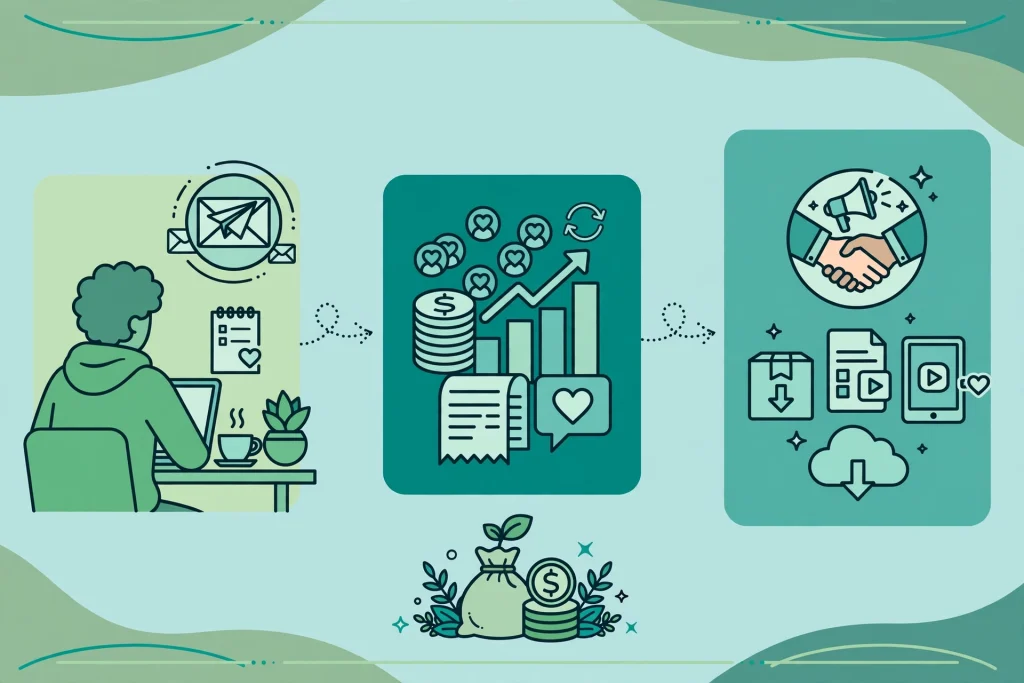
Do not monetise too early, and do not monetise in a way that breaks trust. A common sensible path is: grow free to 500 to 1,000 engaged subscribers, then add one monetisation method, prove it, then add a second.
Paid subscriptions work when the newsletter saves time, money, or risk in a specific way. Offer a free tier that is genuinely useful, and a paid tier with deeper analysis, templates, data, or direct access. Price in rupees with a clear monthly and annual option, and explain exactly what paid readers get, so there is no surprise at checkout.
Sponsorships work when your audience matches an advertiser’s customers. Start with small, relevant sponsors, disclose sponsorship clearly, and only promote products you would recommend without payment. A newsletter that promotes every sponsor loses reader trust fast, and trust is the asset sponsors are paying to borrow.
Affiliate recommendations work when they are contextual and honest. Recommend tools and courses you actually use, explain who they suit and who they do not suit, and disclose the affiliate relationship. Readers accept affiliate links when the recommendation is genuine. They reject them when every issue is a sales pitch.
Digital products work well for Indian creators: templates, checklists, short courses, guides, and community access. A newsletter audience that trusts your free work is far more likely to buy a focused product than a cold social audience. Launch a small product first, learn what readers will pay for, then expand.
Consulting and services are often the fastest monetisation for freelancers and experts. A newsletter that demonstrates expertise every week brings inbound enquiries, even before paid subscriptions exist. If you offer services, include a simple way to book a call or request a quote, without turning every issue into an advertisement.
Deliverability, Legal Basics, and Indian Practicalities
Email deliverability is a quiet killer of newsletters. Authenticate your sending domain with SPF, DKIM, and DMARC, send from a custom domain rather than a free email address when you can, and clean your list regularly by removing subscribers who never open after 90 days. Avoid spam trigger language, excessive images, and purchased lists, which damage your sender reputation and can get you blocked.
Respect consent and privacy. Only email people who subscribed, make unsubscribing easy, and do not share subscriber data without permission. Indian readers are increasingly aware of spam and data misuse, and a newsletter that respects inbox boundaries will retain readers longer.
Be careful with claims, especially in finance, health, education, and investment topics. Do not promise guaranteed jobs, guaranteed results, or guaranteed returns. Explain risks, cite sources where needed, and add a disclaimer where advice could affect money or health. Trust built over months can be lost by one exaggerated claim.
Also plan for taxes and payments if you earn from subscriptions or products. Keep records of platform fees, payment gateway charges, and payouts, and talk to a CA about GST and income tax treatment for your specific setup. This is not legal advice, but it is a practical step many creators skip until it becomes a problem.
Mistakes That Kill Newsletters
The most common mistakes are predictable. Publishing inconsistently, writing for everyone instead of someone, copying other newsletters, and monetising before trust exists. Other mistakes include a signup page with no clear promise, a lead magnet unrelated to the newsletter, and a format that takes ten hours to produce and cannot be sustained.
Another mistake is chasing subscriber count with giveaways that attract people who never read. A giveaway can add numbers, but if those subscribers never open, your deliverability falls and your real audience is harder to reach. Grow slower with the right readers, not faster with the wrong ones.
Finally, do not ignore replies. A newsletter is a conversation, not a broadcast. Readers who reply with questions, corrections, and stories are giving you future issues for free. Reply, thank them, and use their questions, with permission, as issue ideas.
FAQ
How do I start a newsletter in India?
Pick a narrow niche, choose a platform such as Substack, Beehiiv, Kit, or Ghost, write a clear signup promise, create a lead magnet, and publish weekly with a repeatable format.
How many subscribers do I need to monetise a newsletter?
Many creators start monetising around 500 to 1,000 engaged subscribers through paid tiers, sponsorships, affiliates, or products, but engagement and audience buying power matter more than the raw number.
Which newsletter platform is best for Indian creators?
Substack is simplest for writers, Beehiiv suits growth focused newsletters, Kit suits creators selling products, Ghost suits creators who want full control, and Mailchimp suits business email lists. Test Indian payment options before choosing a paid tier.
How often should I send a newsletter?
Weekly is the sweet spot for most creators. It builds a habit without causing burnout, while biweekly works for deep research topics and monthly is usually too slow for audience building.
Can I monetise a newsletter with UPI in India?
Yes, if your platform and payment setup support Indian payments. Test UPI and card checkout yourself before announcing paid subscriptions, because payment friction loses subscribers at the final step.
How do I grow a newsletter without paid ads?
Use personal invitations, content repurposing, cross promotion with similar newsletters, referral rewards, and permission based WhatsApp sharing, while keeping the full value inside the newsletter itself.
Conclusion
Starting a newsletter in India in 2026 is a realistic path for creators, freelancers, and small businesses, but only if you treat it as a long term habit, not a quick income trick. Pick a narrow niche readers care about, choose a platform that fits your goal and Indian payment reality, publish a sustainable weekly format, grow through useful content and trusted referrals, and monetise only after you have earned attention.
Your first 100 subscribers will be the hardest, and your first 1,000 will teach you more than any course. Start this week with a clear promise, three issue ideas, and one signup page. Publish the first issue, ask readers what they need next, and keep going. The inbox you build today is an audience no algorithm can take away tomorrow.

1 Comment
Pingback: How to Grow a Blog in India in 2026 (Traffic Guide)