

Introduction
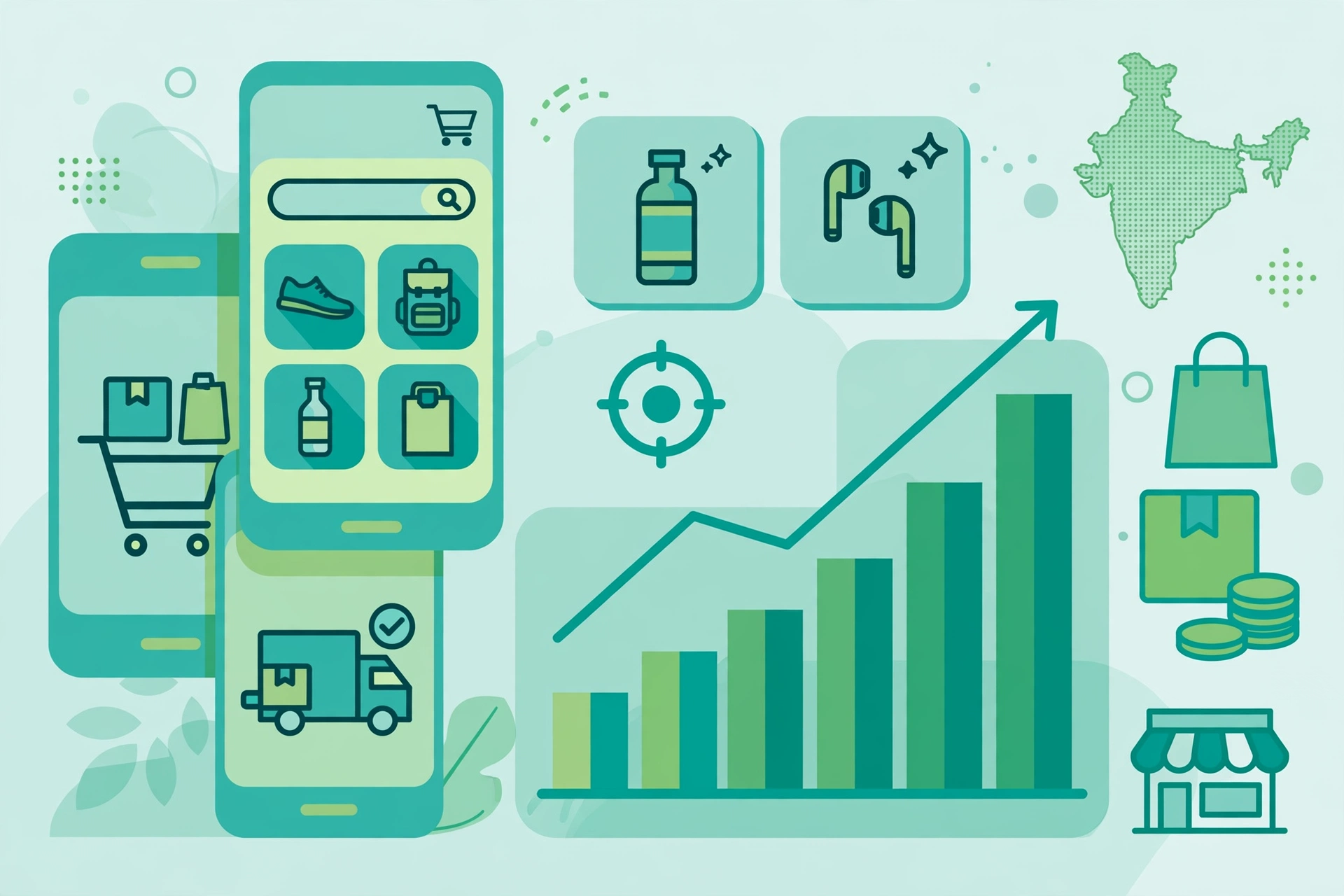
When a shopper searches for atta on Blinkit, a mixer grinder on Amazon, or a kurti on Flipkart, the first products they see are usually not there by accident. Brands paid to be there. That paid visibility inside shopping platforms is called retail media, and in India it has grown from a side experiment into one of the fastest growing advertising channels in the country.
Industry reports now put retail media among the fastest growing advertising mediums in India, with forecasts of multi billion dollar spend within a few years. Quick commerce platforms such as Blinkit, Zepto, and Instamart are adding advertising revenue at remarkable speed, while Amazon and Flipkart continue to expand their ad businesses. For brands that sell through these platforms, retail media is no longer optional. It is the digital shelf, and the brands that do not pay for shelf space risk becoming invisible at the exact moment a customer is ready to buy.
This guide explains retail media in plain terms: how it works, what each major Indian platform offers, what budget a small or mid sized brand should start with, how to measure results honestly, and the mistakes that waste money.
What Retail Media Actually Is
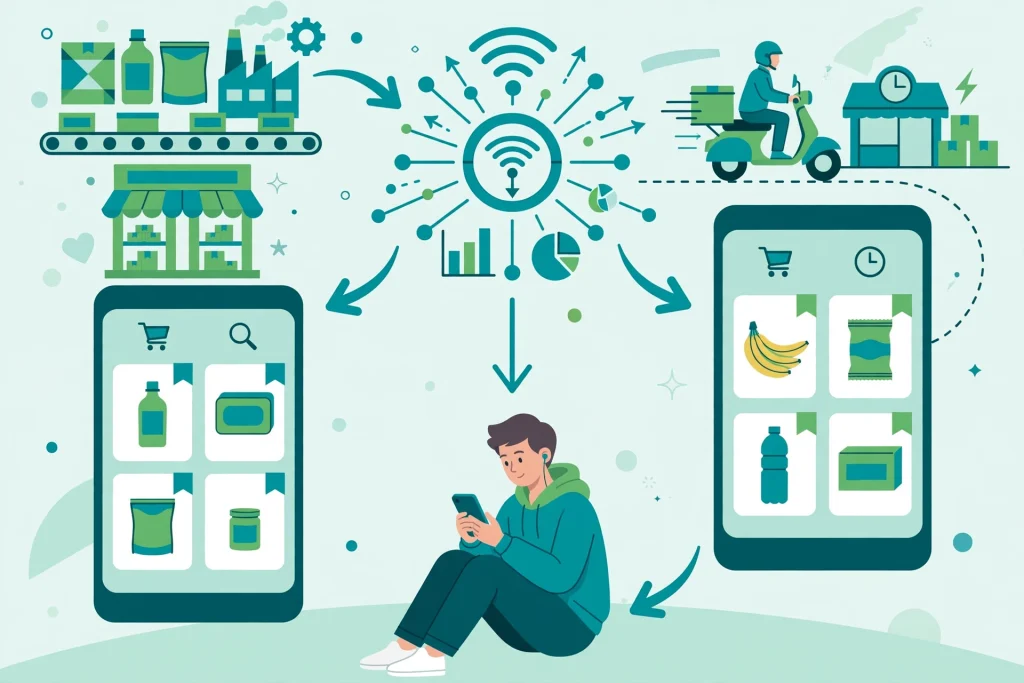
Retail media is advertising sold by retailers and marketplaces, shown to shoppers while they browse or search inside those platforms. It differs from search or social advertising in one important way: the audience is already shopping. A person scrolling Instagram may or may not want your product. A person searching for “basmati rice 5 kg” on a grocery app almost certainly does.
Retail media usually takes three forms:
- On site sponsored listings: your product appears at the top of search results or category pages inside the marketplace, marked as sponsored.
- Display and video inside the app: banner ads, homepage placements, and short videos shown to shoppers based on what they browse and buy.
- Off site retail audiences: the retailer’s shopping data is used to show your ads on other websites and apps, reaching people who bought related products before.
Think of it as the digital version of paying for eye level shelf space in a supermarket, except the shelf rearranges itself for every shopper, and you can see exactly how many people clicked and bought.
Why Retail Media Is Booming in India
Several Indian trends are pushing retail media forward at the same time:
- Quick commerce changed expectations. Millions of shoppers now buy groceries, personal care, and household items in 10 to 20 minutes, and the app they open becomes the store. Advertising inside that app reaches buyers at the moment of purchase.
- E-commerce keeps growing beyond metros. Shoppers in smaller cities buy on Amazon and Flipkart first, often without ever visiting a brand website. If your product is not visible there, it barely exists for them.
- Measurement is clearer than in traditional media. Brands can see sales attributed to an ad, not just impressions, which makes finance teams comfortable increasing budgets.
- Retailers want the revenue. For marketplaces and quick commerce platforms, advertising is high margin income that helps fund fast delivery and discounts. They are investing heavily in better ad tools, which makes the channel more useful for brands.
Analysts expect retail media in India to keep growing faster than most other advertising formats through the rest of the decade, with quick commerce as the fastest growing segment. The practical message for brands is simple: early movers learn the platforms cheaply, while late movers pay higher auction prices for the same placements.
Platform by Platform: Where Indian Brands Should Start
Amazon Ads
Amazon is the most mature retail media platform in India. Its main formats are Sponsored Products (your listings promoted in search and product pages), Sponsored Brands (a banner with your logo and several products), and Sponsored Display (ads shown to shoppers who viewed related products, on and off Amazon).
Amazon suits brands with a catalogue already listed and reviewed on the platform. Start with Sponsored Products on your best selling and highest margin items, using exact and phrase match keywords from real customer searches. Amazon’s tools will suggest bids, but set your own daily budget cap and review search term reports weekly to remove irrelevant terms.
Flipkart Ads
Flipkart’s advertising works similarly, with product listing ads, brand ads, and display placements across Flipkart and its ecosystem. It is especially strong for electronics, fashion, appliances, and large appliances, and for shoppers outside the top metros.
Flipkart suits brands that already sell well on the platform or want to grow during sale events such as Big Billion Days. Listing quality matters enormously here: a sponsored click to a listing with poor images, no reviews, or confusing pricing is money wasted. Fix the listing before you raise the ad budget.
Blinkit, Zepto and Instamart (Quick Commerce)
Quick commerce advertising is newer and simpler. Brands typically buy sponsored placements in search results and category shelves, plus banner space on the home screen. The shopper journey is short: search, see, add to cart, check out in minutes.
Quick commerce suits FMCG, grocery, personal care, beverages, and household brands, especially in the cities where these platforms operate. The winning play is availability plus visibility: make sure stock is live in the dark stores serving your target pin codes before you spend, because an ad that leads to an out of stock product teaches shoppers to pick your competitor.
Other Retail Media in India
Meesho, Nykaa, JioMart, Swiggy, and Zomato also sell advertising or sponsored placements in various forms. These are worth testing once your main platforms are working, especially Nykaa for beauty brands and Meesho for value fashion and home products. Start with one or two platforms and expand only when you can measure results cleanly.
How Much Budget Does an Indian SME Need
Retail media auctions reward relevance and sales history, not just the highest bid, so small brands can compete. A realistic starting point:
- Testing phase (first 4 to 6 weeks): Rs. 20,000 to Rs. 50,000 per month on one platform, spread across 10 to 20 products. The goal is learning, not scale: which keywords convert, what cost per sale you actually get, and which listings deserve more spend.
- Scaling phase: move budget toward products and keywords with a cost of sale below your margin. Many Indian brands find a sustainable advertising cost of sales (ACOS) between 15 percent and 30 percent depending on category, with groceries and personal care at the lower end and electronics higher.
- Festive and sale events: plan separate budgets for Diwali, Big Billion Days, and similar peaks, when auction prices rise but purchase intent is highest. Stock, pricing, and listing content must be ready before the event, not during it.
Set a daily budget cap on every campaign, and check spend every morning during the first month. Retail media can overspend quietly if a broad keyword matches unexpected searches.
How to Measure Retail Media Honestly
Retail media reports look impressive, but not every reported sale is incremental. Some shoppers would have bought your product anyway. Use these checks:
- Track ACOS and ROAS by product, not just by campaign. A campaign average hides products that lose money behind products that print it.
- Watch organic rank lift. Good retail media often lifts a product’s organic position, so total sales grow even when ad spend stays flat. That is a real benefit, and it should be part of your judgement.
- Test incrementality. Pause ads on a small set of products for two weeks and compare their total sales with a similar set that kept running. The difference is closer to the true value of your ads than any platform report.
- Separate new customers from repeat buyers. Some platforms report new to brand metrics. If your goal is growth, a campaign that only reaches existing buyers is doing a different job than one that wins new ones.
For brands already running paid search or social, retail media should be judged alongside those channels, not in isolation. Our beginner’s guide to Google Ads for Indian businesses and our guide to Meta ads for small businesses use the same discipline: set a target cost per result, then scale only what beats it.
Common Mistakes That Waste Retail Media Budgets
- Advertising listings that are not ready: poor images, missing details, low ratings, or wrong prices. Fix the product page first, because paid traffic multiplies whatever the listing already is.
- Bidding on your own brand name with no strategy: some brand defence is sensible, but spending heavily to win clicks you would have received for free is wasteful.
- Ignoring stock and pin code coverage: ads that drive shoppers to out of stock products or cities you do not serve burn budget and damage your listing’s conversion rate.
- Treating retail media as a replacement for brand building: shoppers still need a reason to prefer your product. Retail media harvests demand; social, content, and brand advertising create it. Brands that only harvest eventually run out of demand to harvest.
- Never pruning search terms: broad match keywords attract irrelevant searches. Review search term reports weekly and add negative keywords for terms that never convert.
A retargeting layer can also help: shoppers who viewed your product but did not buy are often cheaper to convert than cold audiences. Our complete guide to retargeting ads for Indian businesses explains how to set that up without annoying your audience.
A Simple Launch Checklist
Before your first retail media campaign goes live, confirm:
- Your best 10 to 20 products are listed with complete images, accurate titles, competitive prices, and some reviews.
- Stock is live in the cities or pin codes you will target.
- You have a daily budget cap, a target ACOS based on your real margins, and a weekly review slot in your calendar.
- Search term and placement reports are scheduled, with negative keywords ready to add.
- Someone owns the account: retail media is not set and forget, especially during sale events.
Run the test for at least four weeks before judging it. Early data is noisy, and platforms need time to learn which shoppers convert for your products.
Frequently Asked Questions
What is retail media advertising?
Retail media is advertising sold by retailers and marketplaces such as Amazon, Flipkart, Blinkit, and Zepto, shown to shoppers inside those platforms while they search and browse. Brands pay to promote their products in search results, category pages, and banner placements.
How much should a small brand spend on retail media in India?
A testing budget of Rs. 20,000 to Rs. 50,000 per month on one platform is a realistic start for a small brand. Scale only the products and keywords whose advertising cost of sales sits below your profit margin.
Which retail media platform is best in India?
Amazon and Flipkart suit most product brands, while Blinkit, Zepto, and Instamart suit grocery, FMCG, and personal care brands in quick commerce cities. The best platform is the one where your customers already shop and where your listings are strongest.
Is retail media better than Google or Meta ads?
It is different, not simply better. Retail media reaches shoppers at the moment of purchase, so conversion rates are often higher. Google and Meta ads are better at creating demand and reaching people who are not yet shopping. Most growing brands need both.
Does retail media help organic rankings on marketplaces?
Yes, often. Products that sell well through ads tend to rise in organic search within the marketplace, because sales velocity and conversion rate influence ranking. That organic lift is one of the real long term benefits of well run retail media.
Conclusion
Retail media has become the digital shelf of Indian commerce. Shoppers discover products inside marketplaces and quick commerce apps, and the brands that appear at the top of those searches win the sale. The opportunity is real, but it rewards preparation: strong listings, live stock, realistic budgets, and honest measurement. Start with one platform, learn what converts, prune what does not, and scale only what earns its budget. Brands that build that discipline now will own the shelf while competitors are still deciding whether retail media matters.
