

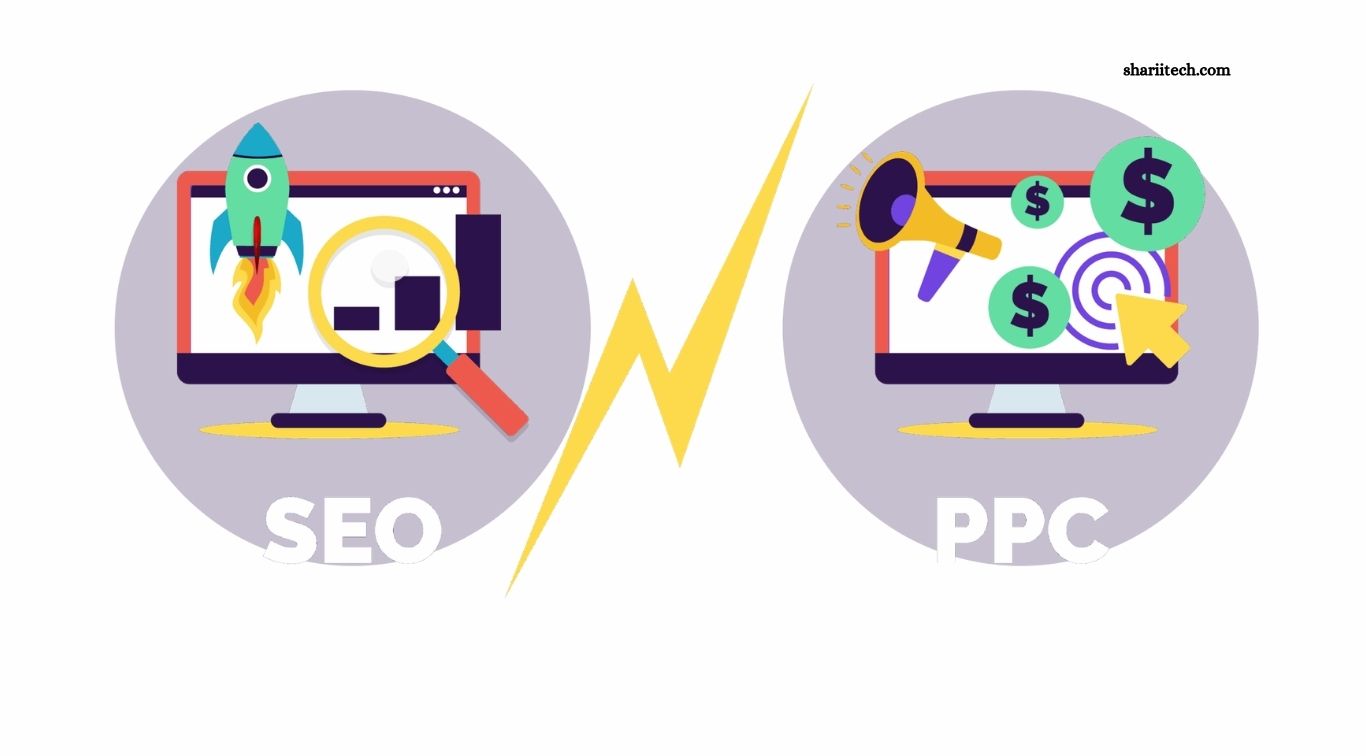
Businesses use digital marketing to attract customers, increase website traffic, and generate sales. Search Engine Optimization (SEO) and Pay-Per-Click (PPC) advertising are two popular strategies for achieving these goals. SEO focuses on improving organic search visibility, while PPC helps businesses reach potential customers through paid advertisements. Both methods can support business growth, but they differ in cost, timing, and long-term value.
Choosing between SEO and PPC depends on your business goals, marketing budget, competition, and target audience. SEO can build sustainable visibility over time, while PPC can generate targeted traffic more quickly. Understanding the strengths and limitations of each approach helps businesses make informed decisions and develop a digital marketing strategy that delivers measurable results.
Read More: Technical SEO Issues That Can Hold Back Website Rankings
What Is Search Engine Optimization (SEO)?
Search Engine Optimization is the process of improving a website to increase its visibility in unpaid search engine results. SEO involves keyword research, high-quality content, technical improvements, internal linking, and earning relevant backlinks. These activities help search engines understand website content and connect it with people searching for related information, products, or services.
SEO is generally a long-term strategy that requires consistent effort and monitoring. Businesses may need several months to see meaningful results, depending on competition, website quality, and industry conditions. Once pages gain visibility, they can continue attracting relevant visitors without paying for every individual click. However, rankings and traffic are never guaranteed, and websites require ongoing optimization to remain competitive.
What Is Pay-Per-Click (PPC) Advertising?
Pay-Per-Click advertising is a digital marketing model in which advertisers generally pay when someone clicks on their advertisement. Businesses can use platforms such as Google Ads to display sponsored listings for selected keywords and reach users searching for specific products or services. Campaigns can target audiences according to factors such as location, search intent, device, and other available settings.
PPC allows businesses to launch campaigns, test offers, and measure traffic relatively quickly. Advertisers can control budgets, adjust bids, and pause campaigns when necessary. However, results depend on targeting, competition, ad quality, and landing page performance. Traffic usually declines when campaigns stop, so businesses need a clear budget and conversion strategy to make paid advertising profitable.
SEO vs PPC: Key Differences
SEO and PPC both help businesses reach potential customers through search engines, but they work differently. SEO aims to improve organic rankings through content quality, website performance, relevance, and authority. PPC uses paid placements to increase visibility for selected searches or audiences. SEO usually requires ongoing investment before results become noticeable, while PPC can begin generating visits soon after a campaign becomes eligible to run.
Another major difference is how traffic is acquired. Organic search clicks do not carry a direct charge per click, although SEO requires time, expertise, content production, and technical work. PPC generates measurable advertising costs for clicks or other campaign interactions, depending on the bidding model. SEO can build lasting visibility, whereas PPC offers greater short-term control over campaign delivery and spending.
Cost Comparison Between SEO and PPC
SEO costs may include content creation, technical audits, website improvements, keyword research, and professional services. These investments can continue delivering value when pages rank well and attract relevant visitors. However, SEO is not free, and maintaining performance may require regular updates, new content, and improvements as competitors and search engine systems change.
PPC requires an advertising budget in addition to the work needed to manage campaigns and optimize landing pages. The cost of each click varies by industry, keyword competition, location, and campaign quality. Businesses should evaluate cost per lead, conversion rate, and customer acquisition cost rather than judging a campaign only by traffic volume. A higher advertising spend does not automatically produce better business results.
Which Strategy Delivers Faster Results?
PPC is generally the faster option for generating targeted website traffic because ads can begin appearing after campaigns are approved and become eligible to run. This makes paid advertising useful for product launches, seasonal promotions, limited-time offers, and businesses that need to test demand. Campaign performance can be reviewed quickly, allowing marketers to adjust targeting, messaging, and spending based on early data.
SEO usually takes longer because search engines need to discover, assess, and rank website content. New websites and highly competitive industries may require substantial work before achieving strong visibility. However, a well-optimized page can continue attracting visitors long after publication. Businesses seeking immediate traffic may prefer PPC initially, while those building long-term visibility should invest in SEO alongside other marketing activities.
SEO Benefits for Long-Term Business Growth
SEO can help businesses build a sustainable source of website traffic by improving visibility for relevant search queries. Useful articles, service pages, product descriptions, and well-organized website content can attract people at different stages of the buying journey. Over time, strong organic visibility may reduce dependence on paid campaigns and help businesses reach customers who are actively researching solutions.
SEO can also strengthen brand credibility by making useful information easier to discover. Businesses that consistently answer customer questions may build trust and encourage repeat visits. However, organic rankings depend on relevance, competition, technical health, and many other factors. Companies should measure success through qualified traffic, leads, sales, and engagement rather than rankings alone.
PPC Benefits for Immediate Marketing Campaigns
PPC gives businesses more direct control over when and where their advertisements appear. Advertisers can select keywords, set campaign budgets, define geographic targeting, and test different headlines or offers. This flexibility makes PPC useful for businesses promoting new products, attracting local customers, generating enquiries, or reaching specific audiences during important sales periods.
Paid campaigns also provide performance data that can help marketers understand customer behavior. Metrics such as click-through rate, conversion rate, cost per conversion, and return on ad spend reveal which campaigns contribute to business objectives. However, PPC requires careful management because poorly targeted clicks can waste money. Strong advertisements should lead to relevant landing pages with clear information and straightforward conversion steps.
When Should a Business Choose SEO?
SEO is a strong option for businesses that want to build long-term organic visibility and consistently attract people searching for relevant information. It can be especially valuable for blogs, online stores, service providers, and companies that answer common customer questions. Businesses with useful expertise and the ability to publish quality content can gradually build an organic presence that supports multiple marketing goals.
Companies should consider SEO when they can invest in content, technical improvements, and ongoing optimization without expecting instant results. It is also useful for targeting informational searches that help customers research a problem before making a purchase. Because rankings can fluctuate and competitors continue improving their websites, SEO should be treated as an ongoing business investment rather than a one-time task.
When Should a Business Choose PPC?
PPC is suitable for businesses that need faster visibility, want to test market demand, or have time-sensitive promotional goals. It can help new companies reach potential customers before their websites establish strong organic rankings. PPC is also useful for targeting commercially valuable searches where reaching the right audience quickly is more important than waiting for long-term organic growth.
Before launching a campaign, businesses should define a realistic budget, identify valuable keywords, and create landing pages designed to convert visitors. Tracking systems should measure meaningful actions such as purchases, qualified enquiries, and phone calls where appropriate. PPC works best when campaign decisions are based on reliable conversion data rather than clicks alone. If customer acquisition costs exceed expected profit, targeting and offers need to be reviewed.
Can SEO and PPC Work Together?
SEO and PPC can complement each other by supporting different stages of the customer journey. PPC can provide immediate visibility while SEO efforts develop, helping businesses attract traffic and test keyword performance. Paid campaign data may reveal which search terms generate qualified leads or sales, providing useful insights for future organic content and landing page improvements.
A combined strategy can also increase search visibility across paid and organic listings when both are relevant to the same audience. Businesses can use SEO to build lasting content assets and PPC to promote priority offers or reach specific audiences. The right balance depends on available resources, campaign performance, and growth targets. Combining both methods is not always necessary, but it can provide flexibility when managed carefully.
How to Measure SEO and PPC Performance
Measuring performance helps businesses understand whether their marketing investments are generating meaningful results. For SEO, useful metrics include organic traffic, search impressions, click-through rate, keyword visibility, qualified leads, and organic conversions. Tools such as Google Search Console and Google Analytics can help website owners understand search performance and visitor behavior when configured correctly.
PPC performance can be measured through advertising spend, clicks, conversion rate, cost per acquisition, and return on ad spend. Businesses should connect campaign reporting with actual sales or qualified enquiries whenever possible. Compare results over an appropriate period and account for differences in customer value, conversion delays, and attribution. The best strategy is the one that contributes to profitable, sustainable growth—not necessarily the one that generates the most visits.
Frequently Asked Questions
Is SEO better than PPC?
SEO is useful for long-term organic growth, while PPC is better suited to faster visibility. The best choice depends on business goals and budget.
Which strategy is cheaper, SEO or PPC?
SEO may provide cost-efficient traffic over time, but it requires ongoing investment. PPC has direct advertising costs for campaign traffic.
How long does SEO take to show results?
SEO often takes several months to produce meaningful results, although timelines vary by website, competition, and strategy.
Can PPC generate sales quickly?
Yes, PPC can attract potential customers quickly, but sales depend on targeting, offers, landing pages, and conversion performance.
Should small businesses use SEO or PPC?
Small businesses can choose either strategy or combine them, depending on their budget, competition, and need for immediate leads.
Can I use SEO and PPC together?
Yes. SEO can build long-term visibility while PPC supports immediate campaigns, keyword testing, and targeted customer acquisition.
Conclusion
SEO and PPC both offer valuable opportunities for business growth, but they serve different purposes. SEO helps build long-term organic visibility, while PPC can deliver faster exposure and more direct campaign control. Businesses with limited resources should prioritize the approach that best matches their current goals, customer behavior, and available budget. For many companies, a balanced strategy can provide both immediate traffic and lasting growth. Track conversions, measure profitability, and refine your marketing efforts regularly to achieve stronger results over time.

6 Comments
Pingback: On-Page SEO Checklist for Indian Websites (2026 Guide)
Pingback: Content Marketing in India: Turn Readers Into Customers
Pingback: Mobile-First Website India: Why Speed Wins in 2026
Pingback: Digital Marketing for Startups in India: Budget Guide
Pingback: How to Build Topical Authority in Competitive Search Niches - Sharii Tech
Pingback: Google Ads for Indian Businesses: A Beginner's Guide to PPC (2026)