

Introduction
Small and medium enterprises power the Indian economy. They contribute nearly one third of the national GDP and employ crores of people across manufacturing, services, retail and technology. Yet when it comes to digital safety, most SMEs remain dangerously underprepared. As billing, customer data and daily operations move online, cyber criminals have shifted their focus to precisely these firms.
In 2026, automated phishing kits and ransomware services have put small businesses in Jaipur, Kochi, Indore and Coimbatore firmly in the crosshairs. For a small firm, one breach means lost customer trust, halted operations and possible legal penalties, damage that can wipe out years of hard work.
The good news is that effective cybersecurity for small businesses in India does not require a large IT department or a massive budget. Most breaches succeed because of basic, preventable mistakes: reused passwords, unpatched software and employees who click on malicious links. This guide walks you through the essential practices that protect your business in 2026, in plain language and with steps you can start today.
Why Indian SMEs Are Prime Targets for Cyber Attacks
Understanding the threat is the first step toward defending against it. Cyber criminals target small Indian businesses for several clear reasons.
- Low defences: Most SMEs run without a dedicated security team. Shared passwords, outdated operating systems and free antivirus software are still common.
- Valuable data: Even a ten-person firm holds customer phone numbers, GST invoices, bank details and vendor records. This data sells easily on underground markets.
- Digital India momentum: UPI payments, online invoicing, cloud accounting and WhatsApp-based customer communication have digitised small firms fast. Security practices have not kept pace.
- Supply chain access: Attackers compromise a small vendor to reach its larger corporate clients. Your business can become the unlocked back door into someone else’s network.
- Ransomware economics: Criminals know a small business cannot afford long downtime, so it is more likely to pay. Demands of fifty thousand to a few lakh rupees are deliberately set at a level an SME might consider.
Recent industry reports suggest more than half of Indian SMEs faced a cyber incident in the past two years, many losing at least a full day of business. For a small retailer or manufacturer, that single day can be devastating.
Essential Practice 1: Train Your Team Against Phishing
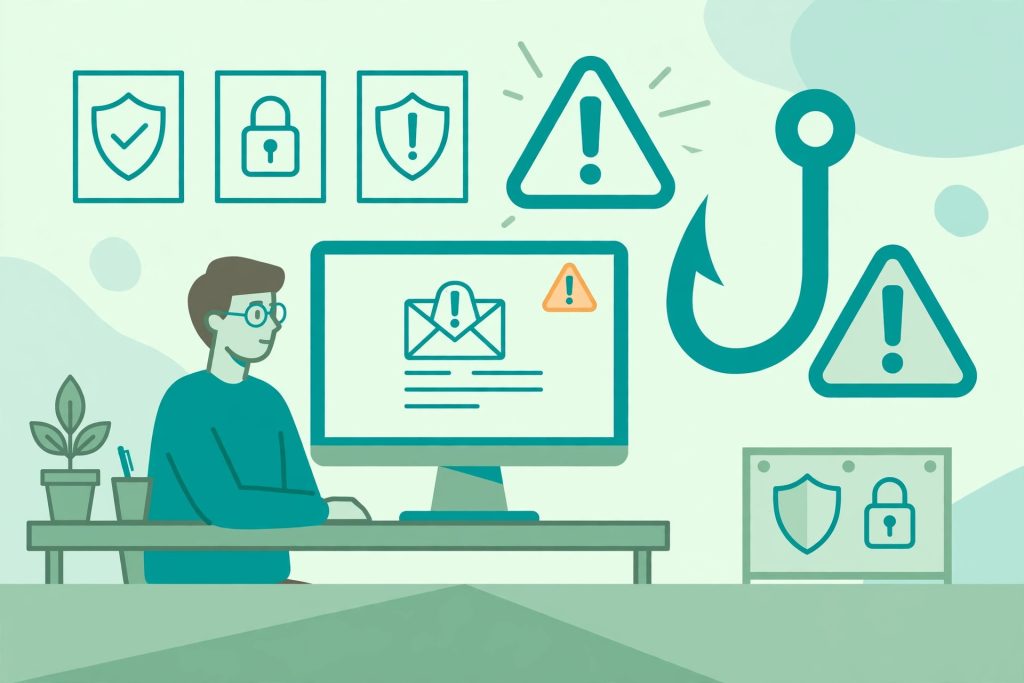
Phishing remains the most common way Indian SMEs get breached. A single employee clicking a fake invoice link or a bogus bank alert can hand over email credentials in seconds.
- Spot the signs: Train staff to check the sender’s actual email address, hover over links before clicking, and treat urgent payment requests with suspicion. Genuine banks never ask for OTPs over email or WhatsApp.
- Run mock drills: Free and low-cost phishing simulation tools let you send safe fake emails to your team. When someone clicks, they get a short training page instead of malware.
- Create a reporting habit: Give employees one simple way to report suspicious mail, such as forwarding to a shared inbox. Praise quick reporting instead of punishing mistakes.
- Cover everyone: Include delivery staff, accountants and part-time workers. Attackers deliberately target people outside the IT team. For guidance on reaching your own team clearly, see our email marketing and communication guide.
Essential Practice 2: Use Strong Passwords and Multi-Factor Authentication
Weak and reused passwords remain the easiest door for attackers. Multi-factor authentication (MFA) blocks most account takeover attempts even when a password leaks.
- Deploy a password manager: Tools like Bitwarden or Zoho Vault generate and store unique passwords for every account. Staff only need to remember one master password.
- Switch on MFA everywhere: Enable app-based or SMS codes on email, banking, cloud storage and social media accounts. Start with the accounts that hold customer data or money.
- End password sharing: Shared logins make it impossible to know who did what. Give each employee their own account, even on shared computers.
- Review access quarterly: Remove accounts of former employees immediately and check who has admin rights every three months.
Essential Practice 3: Keep Software Updated and Backed Up
Outdated software and missing backups turn small incidents into disasters. Both fixes are cheap and mostly automatic.
- Automate updates: Switch on automatic updates for operating systems, browsers, accounting software and website plugins. Patch Tuesday can run overnight without disturbing work.
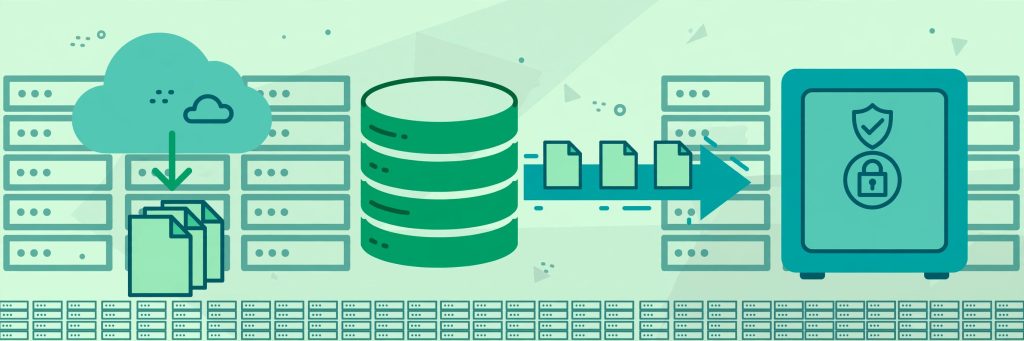
- Follow the 3-2-1 backup rule: Keep three copies of important data, on two different media, with one copy offsite or in the cloud. Test restoring a file every month.
- Protect the website too: A hacked business website spreads malware to visitors and destroys trust. Keep your CMS, themes and plugins updated, which is one reason why Indian businesses need a fast, mobile-first website in 2026.
- Encrypt devices: Switch on BitLocker on Windows or FileVault on Mac so a stolen laptop does not mean stolen data.
These three practices close the gaps behind the majority of SME breaches. The next three harden your business further.
Essential Practice 4: Secure Your Wi-Fi and Devices
Office networks and employee phones are easy entry points when left on default settings.
- Change router defaults: Replace the default admin password and Wi-Fi password on your office router. Use WPA3 or WPA2 encryption, never the open or WEP modes.
- Separate guest Wi-Fi: Offer customers a guest network isolated from the one your billing systems and office computers use.
- Lock devices: Require PINs or biometrics on all work phones, and set computers to lock after five minutes of inactivity.
- Install reputable security software: Use a well-known endpoint protection product on every computer, not just the owner’s.
Essential Practice 5: Control Who Can Access What
Most data theft and fraud comes from insiders with more access than they need, whether malicious or accidental.
- Apply least privilege: Give each employee access only to the data and systems their job requires. Your delivery team does not need the accounting password.
- Separate duties: The person who creates vendor payments should not be the one who approves them. Simple checks stop most internal fraud.
- Log important actions: Switch on activity logs in your accounting and cloud software so you can review who changed what.
Essential Practice 6: Plan for the Cloud Securely
Cloud tools cut IT costs, but a misconfigured cloud account leaks data to the whole internet. Our cloud computing for Indian SMEs guide covers the full migration picture; these are the security essentials.
- Use strong, unique cloud passwords with MFA: Your Google Workspace, Microsoft 365 or Zoho account holds email, files and customer data. Protect it like the office safe.
- Check sharing settings: Audit Google Drive, Dropbox or OneDrive links every quarter. Change “anyone with the link” to named people wherever possible.
- Know where data lives: Prefer providers with Indian data centres for customer data, which also simplifies DPDP Act compliance.
Compliance Basics: The DPDP Act and Your SME
India’s Digital Personal Data Protection Act, 2023 (DPDP Act) now sets clear duties for any business handling personal data, including customer names, phone numbers and email addresses.
You do not need a legal department to make a solid start:
- Collect only what you need: If you do not need a customer’s date of birth, do not ask for it. Less data means less risk.
- Get clear consent: Add a short, plain-language consent line to your forms and checkout pages explaining what you collect and why.
- Publish a privacy notice: Put a simple privacy policy on your website covering what data you hold, how long you keep it, and how customers can contact you.
- Report breaches promptly: The Act requires notifying the Data Protection Board and affected individuals when a breach occurs. Your backup and logging practices make this feasible.
Treat compliance as good data hygiene rather than paperwork. The same backups, access controls and encryption that stop attackers also satisfy the regulator.
Frequently Asked Questions
What is the most common cyber threat for Indian SMEs?
Phishing. Fake emails, SMS messages and WhatsApp texts impersonating banks, courier companies or government departments trick employees into revealing passwords or OTPs. Training your team to spot them is the highest-return defence.
How much should a small business spend on cybersecurity?
Most micro and small firms can cover the essentials for a few thousand rupees per month: a password manager, reputable endpoint protection and cloud backups. The practices in this guide matter far more than expensive tools.
Is free antivirus enough for my business?
No. Free antivirus only catches known malware on one device. It does not stop phishing, protect your cloud accounts, or help you recover from ransomware. Pair endpoint protection with MFA, backups and staff training.
What should I do first if we are hacked?
Disconnect affected devices from the internet, but do not switch them off (logs may help investigation). Change passwords for email and banking from a clean device, restore from backups, and inform your bank if financial data is involved. Then report the incident at cybercrime.gov.in.
Do I need to comply with the DPDP Act?
If you handle personal data such as customer names, phone numbers or email addresses, yes. The essentials are: collect only what you need, get clear consent, publish a privacy notice and secure the data with the practices above.
Where can I get help with SME cybersecurity in India?
The Indian Computer Emergency Response Team (CERT-In) publishes free advisories, and cybercrime.gov.in handles incident reporting. For a security review of your website, cloud setup or email systems, consider working with a trusted technology partner.
Conclusion
Cybersecurity for Indian SMEs is not about expensive tools. It is about consistent habits: training your people, strengthening logins, updating software, backing up data, securing networks and controlling access. Pick two practices from this guide and implement them this week. Your business, your customers and the regulator will all thank you.

1 Comment
Pingback: Data Backup and Disaster Recovery for Indian SMEs: A Complete 2026 Guide