

Introduction
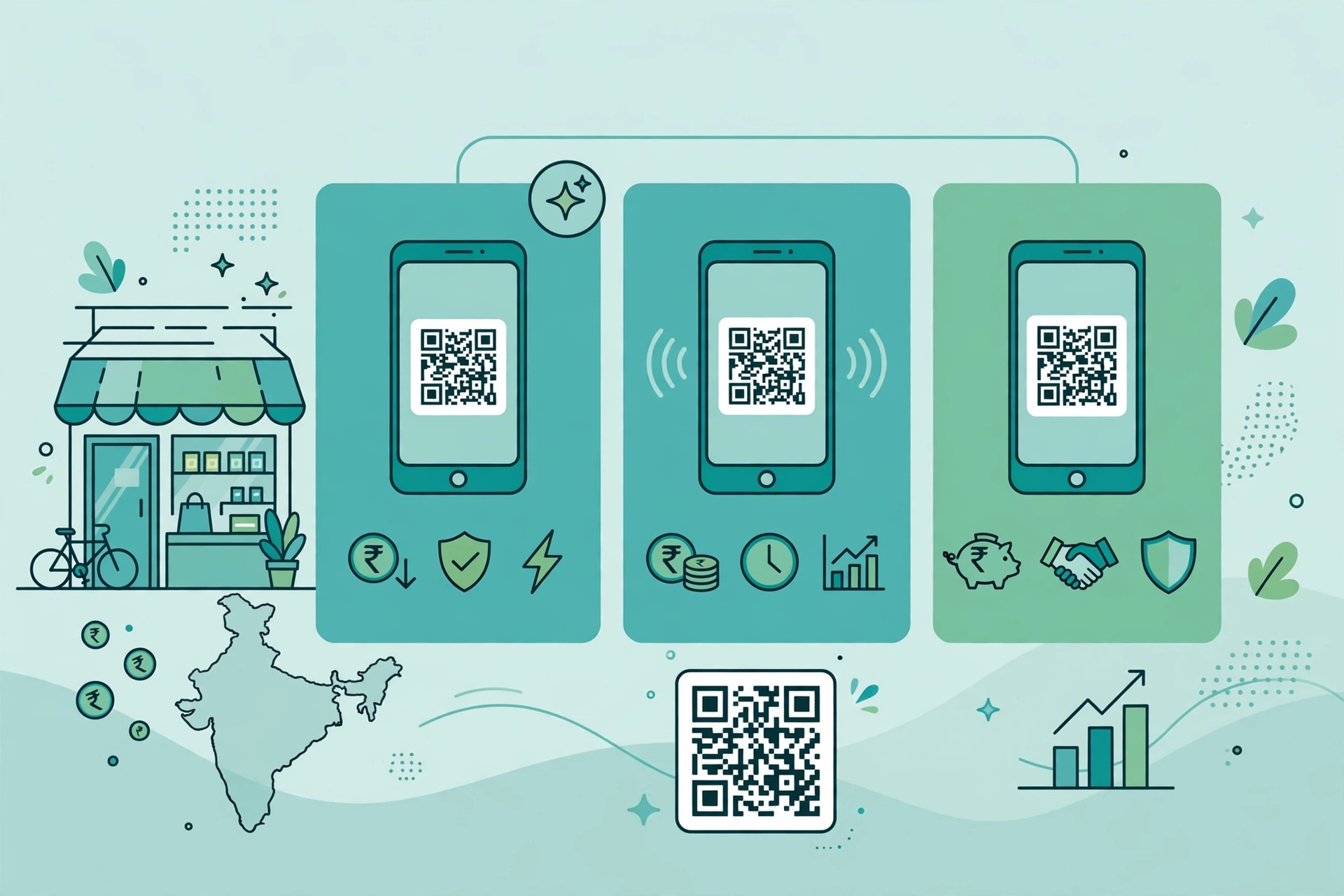
UPI is now the default way India pays. In January 2026, UPI processed more than 21 billion transactions, and for most small businesses the question is no longer whether to accept UPI, but which payment gateway will handle it best. A good gateway keeps payments fast, reduces failed transactions, settles money on time, and protects your margin from hidden charges.
This guide compares seven options for 2026: Razorpay, Cashfree, PhonePe Payment Gateway, PayU, Instamojo, CCAvenue and Easebuzz, covering fees, success rates, settlement and KYC, plus a decision framework for shops, freelancers, D2C brands and SaaS businesses.
What a UPI Payment Gateway Actually Does
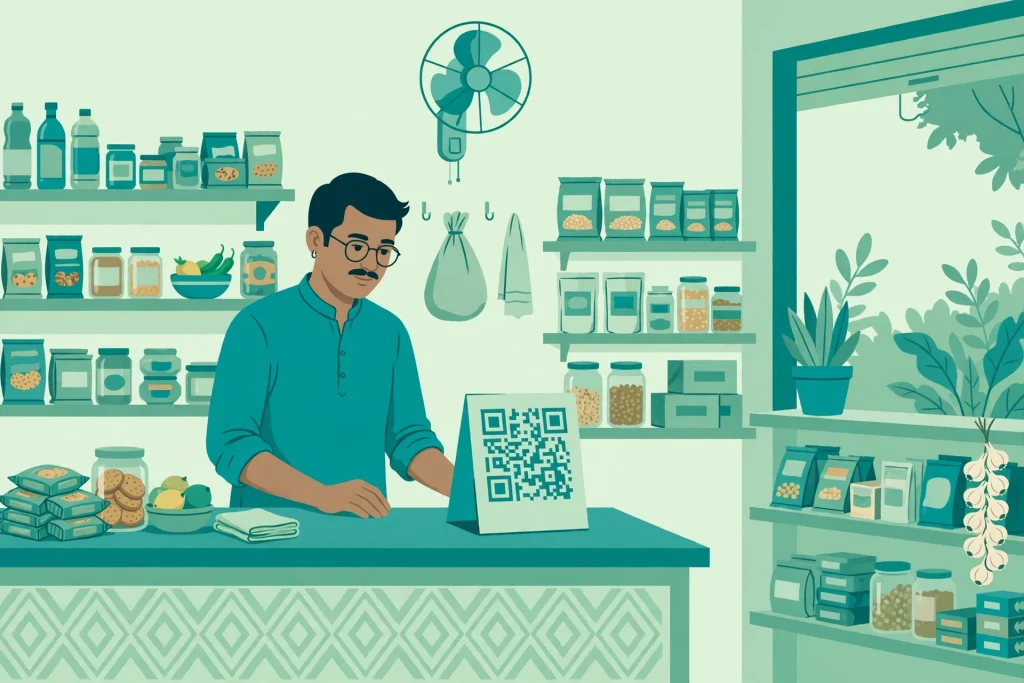
A payment gateway is the secure layer between your customer and your bank account. When a customer scans your QR code, clicks a payment link, or pays at website checkout, the gateway encrypts the details, routes the payment through UPI, cards or net banking, confirms the result in seconds, and settles the money into your account.
It also reconciles payments, creates GST-ready reports, handles refunds and flags suspicious transactions. One gateway can often cover WhatsApp, Instagram, a website and a counter, keeping records in one place. Gateways differ on UPI: some have stronger routing and retry logic, while others are cheaper but slower to release funds.
UPI in India in 2026: Why the Choice Matters More Now
Customers now expect UPI at kirana stores, salons, coaching centres, clinics, food stalls, online stores and subscription services, and many will abandon a purchase if UPI is missing or the first attempt fails. Volume keeps rising, so a small drop in success rate can affect hundreds of orders a month. The Reserve Bank of India has also tightened payment aggregator rules, so a licensed provider protects your business from sudden disruption.
How to Judge a UPI Payment Gateway: 7 Factors That Matter
Judge every gateway on the same seven factors before comparing prices.
- UPI success rate: the share of UPI payments that succeed first time. Test it with real orders in your first month.
- Fees and MDR: standard UPI carries zero MDR for merchants under current policy, so a normal UPI transaction should cost no percentage fee. Cards, net banking and wallets still carry charges.
- Settlement time: T+1 and T+2 are the common cycles, where T is the transaction day. T+1 releases working capital a day earlier.
- KYC and RBI compliance: a legitimate gateway follows RBI payment aggregator rules. Expect PAN, Aadhaar, GST details where applicable, bank proof and business proof.
- Links, QR codes and checkout: check that all three are offered without forcing a costly plan. Links suit freelancers and service businesses without a website.
- Dashboard and support: look for real time status, settlement reports, refund handling and statements your accountant can use.
- Hidden costs: GST at 18 percent applies to gateway fees, so 2 percent becomes 2.36 percent after GST. Check setup, refund and instant settlement charges too.
Comparison Table: 7 UPI Payment Gateways at a Glance
| Gateway | Best for | UPI MDR | Typical card fee | Settlement |
|---|---|---|---|---|
| Razorpay | Growing D2C and SaaS | Zero on standard UPI | Around 2% plus GST | T+1 to T+3, instant option |
| Cashfree | High volume UPI, fast payouts | Zero on standard UPI | Around 1.9 to 2% plus GST | T+1, instant option |
| PhonePe Payment Gateway | Shops, PhonePe users | Zero on standard UPI | Around 2% plus GST | T+1 to T+2 |
| PayU | Established online stores | Zero on standard UPI | Around 2% plus GST | T+2 in many cases |
| Instamojo | Solo sellers, beginners | Zero on standard UPI | Around 2% plus GST | T+3 in many cases |
| CCAvenue | Traditional businesses | Zero on standard UPI | Around 2% plus GST | T+2 to T+3 |
| Easebuzz | Small business, education | Zero on standard UPI | Around 1.75 to 2% plus GST | T+1 to T+2 |
Fees and settlement times vary by plan, volume and risk profile. Confirm the exact written quote before you sign up.
Razorpay: Best All Round Option for Growing Businesses
Razorpay offers checkout, payment links, QR codes, subscriptions and a clean dashboard, and its retry system helps recover failed payments. It suits D2C and SaaS businesses through recurring billing and analytics, though some advanced features sit on higher plans.
Cashfree: Best for UPI Success Rate and Fast Settlement
Cashfree is known for UPI performance and payouts. Smart routing can lift success rates, and Payouts lets you pay vendors and staff quickly. Settlement is often T+1, and it suits high volume businesses such as food delivery, ticketing and coaching.
PhonePe Payment Gateway: Best for Reach Among UPI Users
PhonePe is one of the largest UPI apps in India, and its gateway benefits from that reach. Customers who already use it often pay quickly, and it supports QR codes, links, checkout and subscriptions. It suits local shops and D2C brands, but compare card fees and settlement terms first.
PayU: Best for Established Online Stores
PayU supports UPI, cards, net banking, wallets and EMI, and works well for stores with steady order volume. Its familiar checkout can help conversion, and it suits established stores, though small sellers may prefer simpler setup.
Instamojo: Best for Solo Sellers and First Time Users
Instamojo is built for simplicity. A freelancer, creator, tutor or home based seller can create a payment link in minutes and share it on WhatsApp or Instagram, with no website needed. Settlement can be slower than rivals, but it is one of the easiest places to start.
CCAvenue: Best for Traditional Businesses That Want Every Payment Option
CCAvenue has served Indian merchants for many years and supports UPI, cards, net banking, wallets and EMI. Hotels, hospitals and traditional retailers choose it for maximum coverage. Its interface feels older and onboarding can take longer, but it is a safe, proven choice.
Easebuzz: Best Value for Small Businesses and Education
Easebuzz focuses on small businesses, startups and education providers, with links, QR codes, checkout and fee collection for coaching centres and schools. Pricing is often competitive for low volume merchants, and it is a practical, affordable option.
Best Pick by Business Type
Solo freelancer or creator: choose Instamojo or Razorpay payment links. You need fast setup, simple links and easy refunds, and a full checkout is unnecessary until volume grows.
Local shop, salon, clinic or restaurant: choose PhonePe Payment Gateway or Cashfree, with a QR code at the counter and payment links for advance bookings. For counter software, read our guide to the best POS software in India for small businesses in 2026.
D2C online store: choose Razorpay or Cashfree. You need fast checkout, a high UPI success rate, retry logic and T+1 settlement, since a failed checkout directly loses a sale. If you are still planning your store, see our guide on how to build an ecommerce website in India in 2026.
SaaS or subscription business: choose Razorpay or Cashfree for recurring billing and smart retries, since a gateway that retries a failed UPI autopay protects monthly income. As your stack grows, read our cloud computing guide for Indian SMEs in 2026.
When a Payment Link Beats a Full Checkout
A payment link is a simple URL shared on WhatsApp, SMS, email or Instagram. The customer opens it, pays by UPI, and you get a confirmation, with no cart, login or website maintenance. Use a link for services, coaching, custom orders and advance payments, or when you sell mainly through WhatsApp or Instagram. Use a full checkout for many products with different prices and shipping rules. A good gateway offers both.
Settlement Timing in Detail: T+1, T+2 and Instant Settlement
Settlement timing affects cash flow more than most owners expect. On a 50,000 rupee Monday sale, T+1 pays on Tuesday, while T+3 delays it to Thursday. Ask each gateway for its standard cycle, instant settlement cost, Sunday and holiday payouts, and how refunds are deducted. Prefer T+1 if you have daily expenses.
Onboarding and KYC Checklist
Have these ready: PAN, Aadhaar, business proof such as GST, Udyam or Shop Act registration, bank proof in the business name, and address proof. Keep names consistent across documents, since mismatches cause most delays. Once active, run a small UPI test payment and test a refund before sharing the link with customers.
Common Mistakes Small Businesses Make
Do not choose only on price, since a low fee means little if 10 percent of UPI payments fail. Do not ignore settlement terms, offer only one payment method, or skip testing on Android and iPhone. Reconcile gateway reports with your bank statement weekly, remember 18 percent GST on charges, and use a business account rather than a personal QR code.
A Small Business Decision Framework
- List how customers pay you today: QR at counter, WhatsApp links, website checkout, or all three.
- Estimate monthly UPI volume and average order value.
- Decide must have features: T+1 settlement, subscriptions, invoicing, or Payouts.
- Shortlist two gateways that match your business type.
- Compare written quotes, including GST, settlement terms and support.
- Run a two week trial and measure UPI success rate and settlement speed.
- Keep the winner, and review the choice every six months.
This framework prevents the common error of copying a competitor’s gateway without checking fit. Most rivals list features without this framework, without settlement detail, and without explaining when a payment link beats a checkout.
FAQ
Which UPI payment gateway is best for small business in India in 2026?
Razorpay and Cashfree are the strongest all round choices, combining high UPI success rates, T+1 settlement, links, QR codes and checkout. PhonePe suits businesses whose customers already use it, while Instamojo is best for solo sellers.
Is there any MDR or fee on UPI payments for small businesses?
Standard UPI payments carry zero MDR for merchants under current policy, so a normal UPI transaction should cost no percentage fee. Gateways can still charge for cards, net banking, wallets and instant settlement, and 18 percent GST applies. Confirm the exact structure in writing first.
What is the settlement time for UPI payments?
Many providers offer T+1 settlement for UPI, so money reaches your account the next working day. Some offer T+2 or T+3 as standard, while others provide instant settlement for an extra fee. Check timing for Sundays and bank holidays first.
What documents do I need for payment gateway KYC in India?
You usually need PAN, Aadhaar, business proof such as GST, Udyam or Shop Act registration, bank proof and address proof. Sole proprietors can often start with personal PAN and a business bank account. Keep names consistent to avoid delays.
Can I accept UPI payments without a website?
Yes. Use a static QR code at your counter or a payment link shared on WhatsApp, SMS, email or Instagram. Most gateways here offer both without a website, and a link is the fastest way for freelancers and tutors to start.
Should I use one payment gateway or two?
Start with one gateway so reports, settlements and support stay simple. Once volume grows, a second gateway can act as a backup during downtime. Many growing D2C and SaaS businesses use a primary and a backup, but a small shop rarely needs two at the start.
Conclusion
The best UPI payment gateway for small business in India in 2026 is the one that matches your sales pattern, settles on time and keeps UPI payments succeeding first time. Razorpay and Cashfree lead for growing D2C and SaaS businesses, PhonePe and Cashfree suit local shops, and Instamojo offers the easiest start for solo sellers. Compare success rate, settlement time and total cost after GST, run a short trial, and keep the provider that protects conversion and cash flow.
