

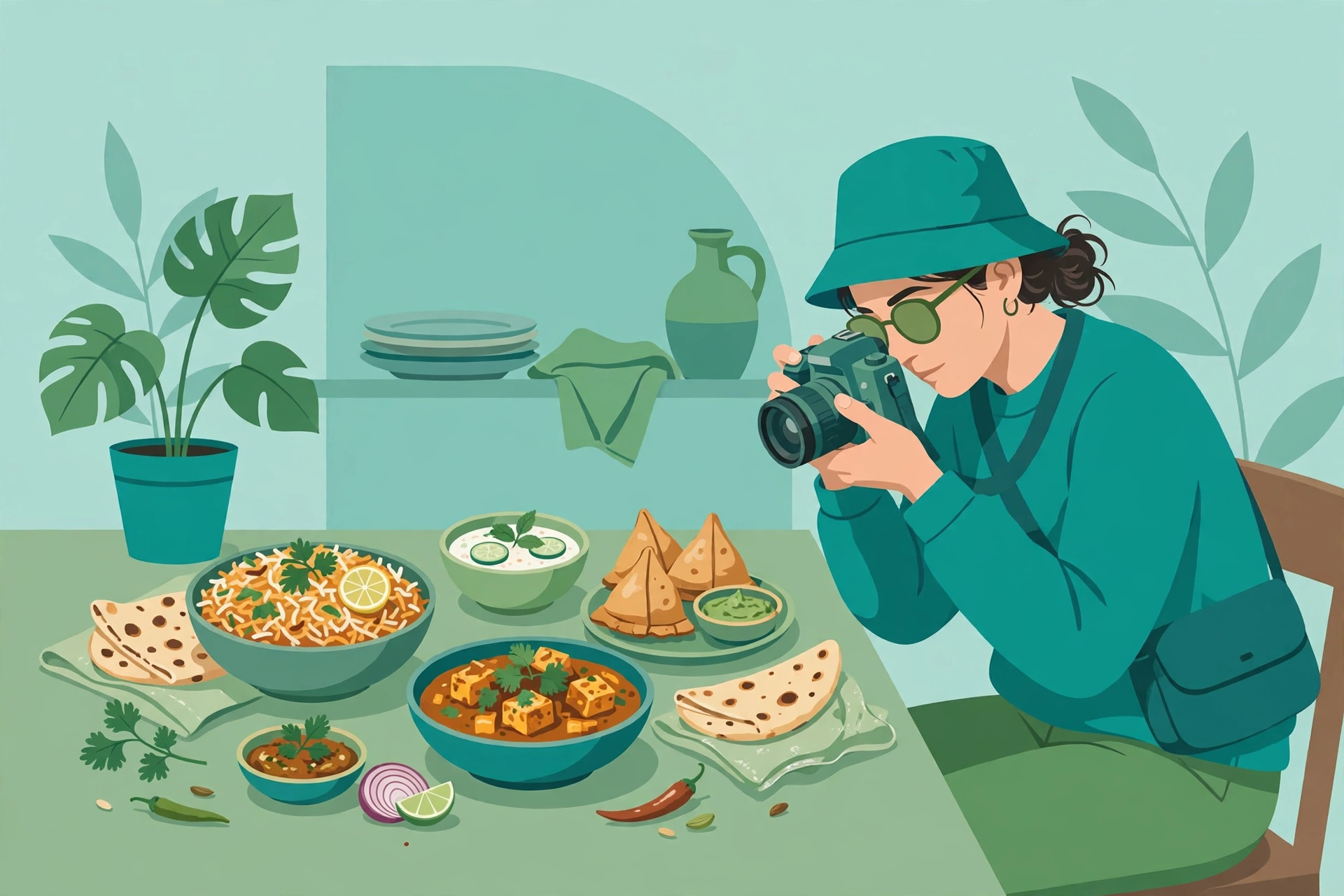
India searches for recipes every single day. From a quick weekday poha to a slow cooked Sunday biryani, millions of people open Google or YouTube before they open their spice box. That daily habit is why food blogging remains one of the most rewarding ways to start a blog in India in 2026. You do not need a professional kitchen, a culinary degree or a large budget. You need a clear niche, a simple WordPress setup, honest recipes that actually work, and the patience to publish consistently for several months. This guide walks you through the whole process, from picking a niche to earning your first income.
Why Food Blogging Still Works in India in 2026
Food is one of the most searched topics on the Indian internet. Recipe searches spike around festivals such as Diwali, Eid and Navratri, and stay strong all year for everyday cooking, tiffin ideas and regional dishes. Unlike news that fades in a week, a good recipe post can bring traffic for years. A well written dal tadka recipe published today can still rank and earn in 2028. Startup costs are also very low, often under Rs 5,000 for the first year, and you already have the raw material at home: your kitchen and your family recipes. One recipe can become a blog post, a short Reel, a YouTube video and a Pinterest pin. That said, it is not a shortcut to quick money. Most successful Indian food bloggers took 6 to 12 months of regular publishing before earning a steady income.
Step 1: Pick a Profitable Food Niche
The biggest mistake new food bloggers make is trying to cover everything. A blog that publishes Punjabi dishes, Chinese street food, keto desserts and cake recipes in the same week confuses both readers and Google. A focused niche helps you rank faster, build a loyal audience and attract better brand deals. Start by listing what you genuinely enjoy cooking, then check whether people actually search for it. Proven food niches for India in 2026 include regional Indian cooking, vegetarian and vegan food, quick tiffin and lunchbox ideas, healthy recipes for weight loss, baking with Indian flavours, and street food recipes. Choose a niche that passes three tests: you enjoy cooking it at least three times a week, there are at least 100 recipe ideas in it, and people search for those recipes on Google. Our guide on Micro-Niche Blogging in India explains how to narrow down further. A narrow niche beats a broad blog every time.
Step 2: Choose a Blog Name and Domain
Your blog name is your brand, so pick something short, easy to spell and easy to say out loud. Avoid numbers, hyphens and clever spellings that people will mishear. Test it by telling a friend the name once and asking them to spell it back. A .com domain is still the safest choice for an Indian food blog, because readers trust it and remember it easily, while a .in domain is a good second option. Before you buy, check the same name is free on Instagram and YouTube too. Keep a shortlist of 5 to 10 names. If your first choice is taken, add a food related word rather than a number. Buy the domain for at least two years if your budget allows.
Step 3: Set Up WordPress, Hosting and Essential Tools
Self hosted WordPress, meaning WordPress.org on your own hosting, is the right platform for a food blog you plan to earn from, because free platforms limit your ads, design and ownership. A realistic first year budget is Rs 800 to Rs 1,000 for a domain, Rs 2,500 to Rs 4,000 for shared hosting, and Rs 0 to Rs 4,000 for a theme, since many good themes are free. That means you can start for roughly Rs 3,500 to Rs 5,000 in total. Choose a host with servers in India or Singapore, free SSL, daily backups and one click WordPress installation. Popular options used by Indian bloggers include Hostinger, Bluehost India and SiteGround. Once WordPress is installed, add only the plugins you truly need: a recipe plugin such as WP Recipe Maker, an SEO plugin such as Rank Math, a caching plugin, an image optimisation plugin and a security plugin. Set up Google Search Console and Google Analytics on day one. They are free, and they show you which recipes bring traffic. Our guide on How to Grow a Blog in India in 2026 explains how to use this data to plan content.
Step 4: Design a Fast, Food Friendly Blog
Your design should make the food the hero. Choose a clean, light theme built for recipe blogs, with large photos, clear headings and a recipe card that stands out. Avoid dark backgrounds and cluttered sidebars, because they distract readers from the recipe itself. Speed matters more than fancy design. Indian readers often browse on mobile data, so your blog must load in under three seconds on a phone. Compress every photo, keep your homepage simple, and test your site on your own phone. Before launch, create About, Recipe Index, Contact, Privacy Policy and Disclaimer pages. Ad networks such as Google AdSense ask for these pages before approval, so it is better to create them at the start.
Step 5: Plan Your First 30 Recipes
Do not publish randomly. Plan your first 30 recipes before you write your first post. A good mix is 10 easy everyday recipes such as jeera rice, dal fry and aloo paratha, 10 recipes in your niche with steady search demand, 5 festival or seasonal recipes timed to an upcoming festival, and 5 detailed recipes that can become your signature posts. Write each recipe after cooking it yourself at least once. Note the exact quantities, the cooking time, the number of servings and the mistakes to avoid. Readers trust bloggers who have tested the recipe in a real Indian kitchen. Add your own tips, such as ingredient substitutes and storage instructions, because those details make a recipe genuinely useful.
Step 6: Learn Food Photography and Video
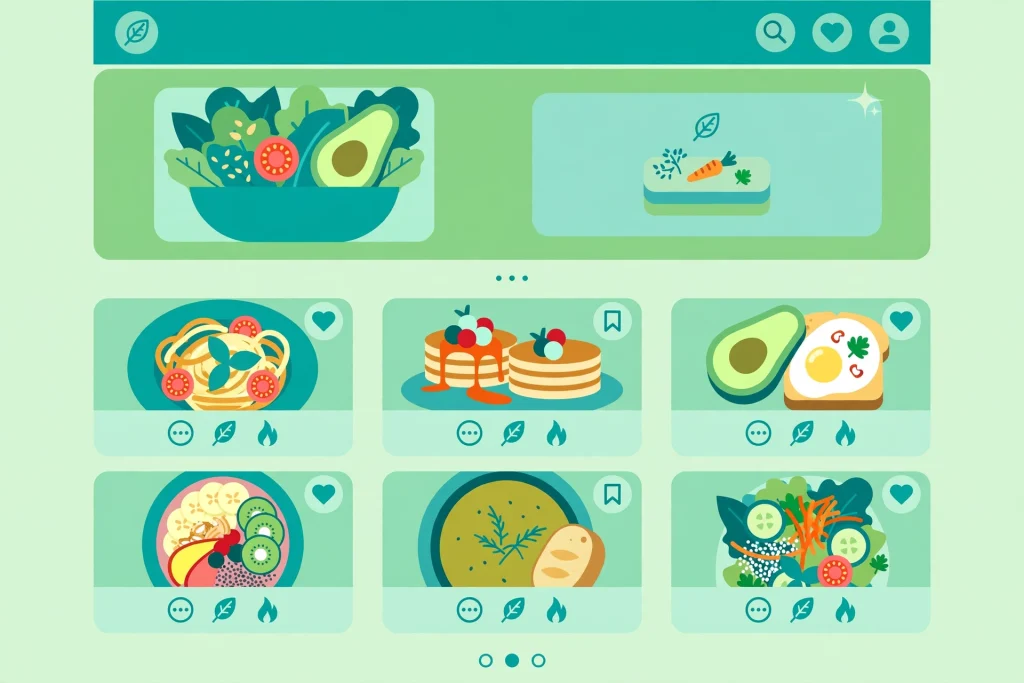
In food blogging, photos do half the selling. A reader decides in two seconds whether to try your recipe, and that decision is based on your photo. You do not need an expensive camera to start. A recent smartphone with good daylight is enough for your first 50 posts. Shoot near a window in soft natural light, never under harsh yellow kitchen bulbs. Use a clean background, such as a plain table, and style the dish with one or two props. Take at least one overhead shot and one close up, and edit lightly for brightness and colour while keeping the food looking real. Short video matters too. Record a 30 to 60 second vertical video of each recipe for Reels and YouTube Shorts, filmed on the same phone in the same session as your photos.
Step 7: Write Recipes That Rank on Google
Recipe SEO is different from general blogging. Google shows recipe results with photos, ratings, cooking times and ingredient lists, so your post must give Google all of that information in a clear format. Start with a short introduction that includes your main keyword naturally, for example “how to make soft paneer butter masala at home”. Use clear headings for ingredients, method and tips, and add a recipe card with prep time, cook time, servings, ingredients and step by step instructions. Fill in the recipe schema fields, because that structured data lets Google show your cooking time and ratings in search results. Write for readers first, and answer the questions people actually ask, such as whether the dish can be made without onion and garlic. Add internal links to related recipes, keep paragraphs short, and number your instructions, because most readers follow a recipe on their phone while cooking.
Step 8: Grow Traffic with Instagram, YouTube and Pinterest
Google traffic grows slowly, so use social media to bring your first readers. Instagram is the most important platform for Indian food bloggers in 2026. Post each recipe as a Reel with the finished dish in the first two seconds, and link the full recipe in your bio. YouTube works well for longer cooking videos and builds deeper trust, because viewers can see your technique. Pinterest brings steady traffic for baking, festival recipes and meal prep, so create a vertical pin for every recipe. Share recipes in relevant Facebook groups only where it is welcome, and never spam groups with links. The key is consistency. Publish two to three posts per week and one Reel per recipe for at least six months, and reply to every comment, because those first readers often become your most loyal audience.
Step 9: How to Earn Money from a Food Blog in India
There are five main ways Indian food bloggers earn money, and most successful blogs use several together. First, display ads through Google AdSense, which pay per thousand views and work best once you cross 10,000 monthly visitors. Second, affiliate marketing, where you recommend kitchen tools and ingredients and earn a commission on sales. Amazon Associates India is the easiest place to start; see our guide to Affiliate Marketing for Indian Bloggers. Third, sponsored posts and brand collaborations, which pay the best but usually come only after you have steady traffic. Fourth, your own digital products, such as a recipe ebook or a cooking course. Fifth, freelance work your blog brings in, such as recipe development and food photography. Be realistic. Expect little or no income in the first three months. Between months 4 and 9, income may reach Rs 2,000 to Rs 10,000 per month, and after a year many Indian food bloggers earn Rs 20,000 to Rs 50,000 per month. Know the legal basics too: keep records of earnings for income tax, register for GST if turnover crosses the threshold, and disclose sponsored posts and affiliate links clearly.
Common Mistakes New Food Bloggers Should Avoid
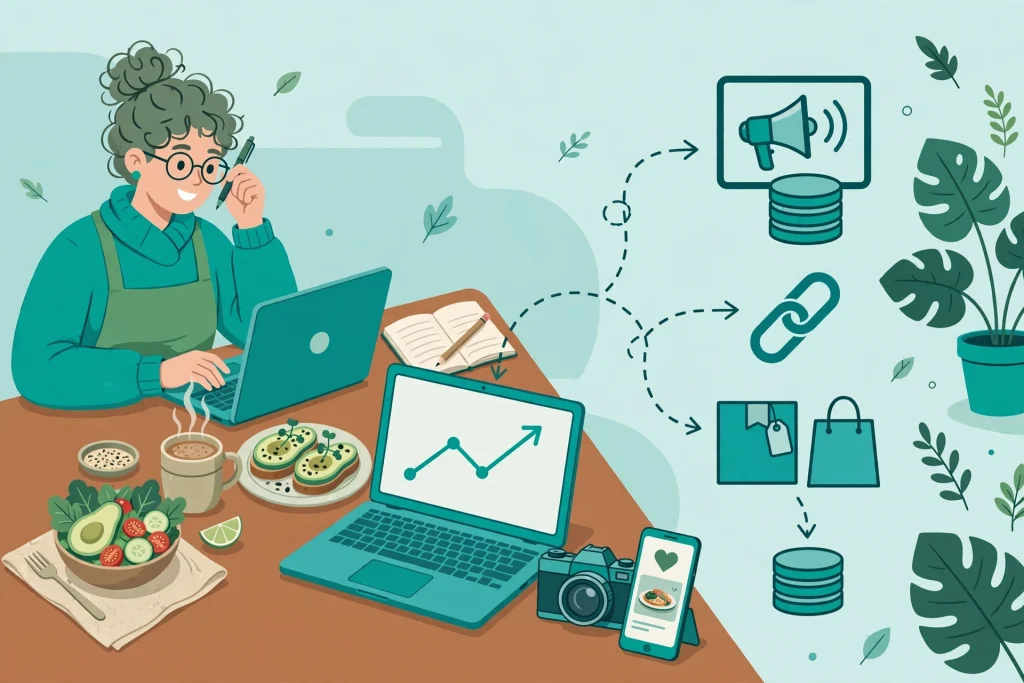
Many new food blogs fail for avoidable reasons. Do not copy recipes and photos from other blogs, do not publish without testing the recipe, do not ignore mobile readers, and do not use stock photos instead of your own, which readers can spot instantly. Do not quit after one month because traffic is slow, when most blogs need six months to gain momentum. Treat your blog like a small business: track your posts, keywords and traffic monthly, and double down on the recipe types that perform best.
Frequently Asked Questions
How much does it cost to start a food blog in India in 2026?
You can start a self hosted food blog in India for roughly Rs 3,500 to Rs 5,000 in the first year, covering a domain, hosting and a free theme. You can add a premium theme later, once your blog starts earning. A smartphone camera and natural light are enough at the start.
Can I start a food blog for free?
Yes, you can start for free on WordPress.com or Blogger, but a free blog limits your ads, design and earning options. If you are serious about making money, a self hosted WordPress blog is worth the small yearly cost, because it gives you full control over monetisation and branding.
How long does it take to earn money from a food blog in India?
Most Indian food bloggers take 6 to 12 months of regular publishing before earning a steady income. AdSense approval usually needs 20 to 30 good posts and some traffic, while affiliate income and brand deals come later. Bloggers who publish two to three quality recipes every week reach income faster.
Do I need to be a professional chef to start a food blog?
No, you do not need to be a professional chef. Many successful Indian food bloggers are home cooks who share tested family recipes in a clear, honest way. What matters is that you test every recipe yourself, write clear instructions and answer the questions your readers actually ask.
Which is better for a food blog in India, WordPress or Instagram?
You need both, but for different reasons. WordPress is your home, where recipes live, rank on Google and earn through ads and affiliate links. Instagram is your shop window, where Reels and photos bring new readers to your blog. Never build your whole business on Instagram alone.
Conclusion
Starting a food blog in India in 2026 is simple, but it is not effortless. Pick a niche you love, set up a fast WordPress blog, plan your first 30 recipes, and publish two to three posts every week. Learn basic recipe SEO, share every recipe on Instagram and YouTube, and be patient. The Indian food blogging space still has room for new voices, especially in regional cuisines, healthy cooking and honest home recipes. Start this week with one recipe, one photo session and one post, then repeat it week after week.

1 Comment
Pingback: How to Start a Travel Blog in India in 2026: A Practical Guide for Beginners