

Introduction
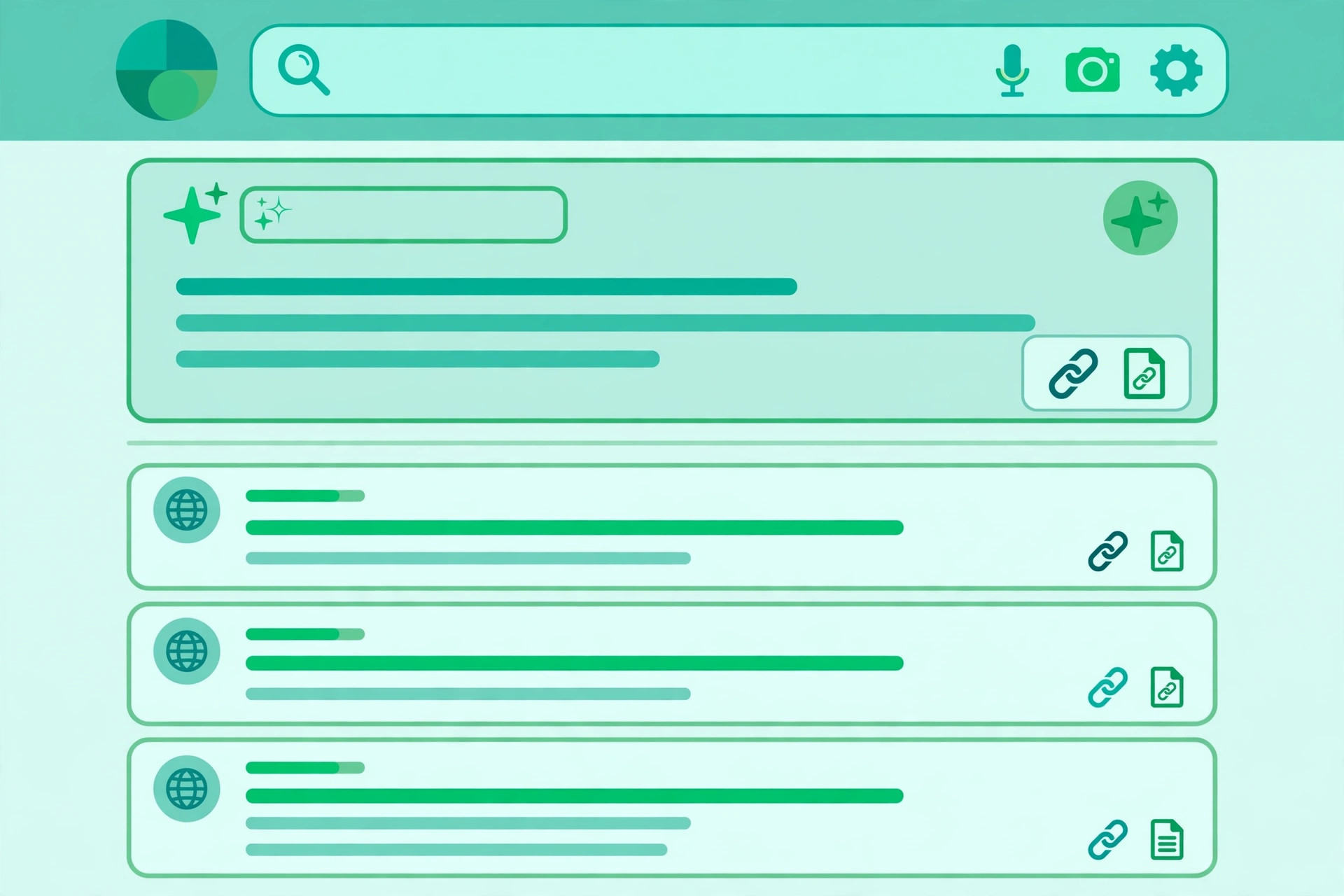
Search in India changed quietly and then all at once. A user searching for the best mutual fund for beginners, the symptoms of dengue, or how to register a startup in India now often sees an AI generated summary at the very top of the results, above the familiar blue links. That summary is a Google AI Overview, and it answers the question before the user ever clicks.
For Indian website owners, this is both a threat and an opening. Pages that used to win clicks from position one can now lose traffic to an answer box that quotes someone else. But pages that are written to be cited can win visibility in a place their competitors never reach. In 2026, ranking is no longer the whole game. Being quotable is.
This guide explains how Google AI Overviews choose their sources in India, what the top ranking guides get wrong or leave out, and the exact steps to make your content citation ready.
1. What Google AI Overviews Are, and Why They Matter in India
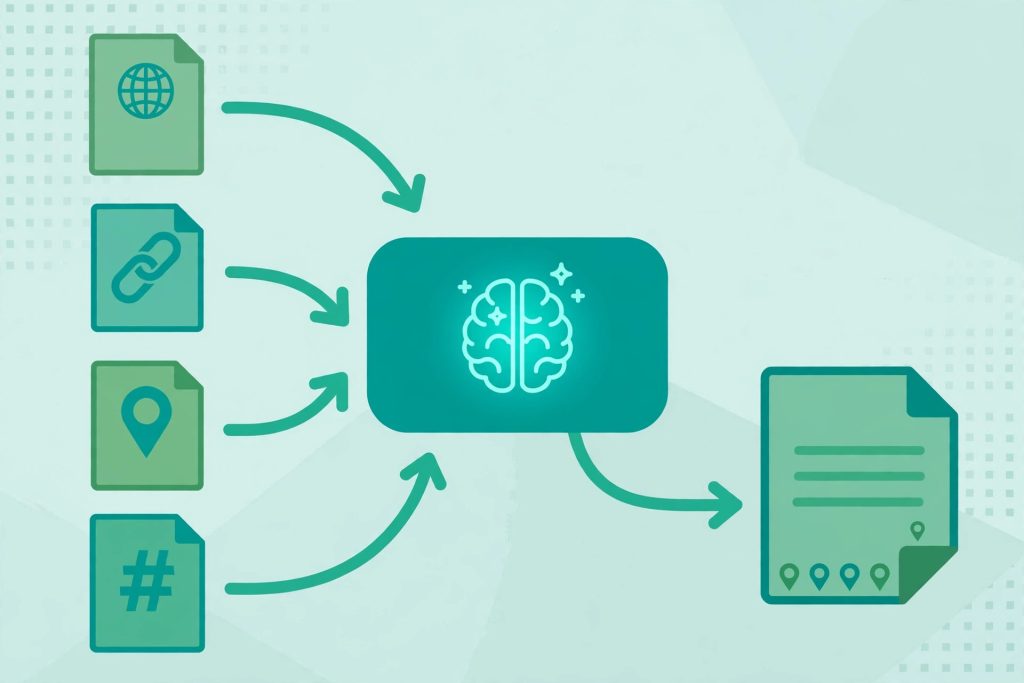
An AI Overview is an AI written answer that Google generates from multiple web pages, with links to the sources it drew on. Unlike a featured snippet, which quotes one page, an overview synthesises several passages into a single answer and cites each source beside the claim it supports.
Three India specific facts make overviews unusually important here:
- AI Overviews appear on a large share of informational searches, especially how to questions, comparisons, and definitions, which are exactly the queries Indian blogs and business sites target.
- Hinglish and regional language queries trigger overviews at high rates. Recent India focused testing found overviews on most Hinglish shopping queries, which means mixed language search behaviour is already inside the AI answer layer.
- Clicks fall when an overview answers the question fully. Studies of overview affected queries report steep click through rate drops for ordinary organic results, but pages cited inside the overview keep receiving traffic, often from users who want depth the summary cannot give.
The goal, then, is not to fight the overview. It is to be inside it.
2. How Google Chooses Which Pages to Cite
Google has confirmed the basics, and independent testing fills in the rest. Understanding this selection logic is the whole strategy.
- The page must be indexed and eligible for a snippet. No special file or markup is required to be cited. Google explicitly ignores llms.txt for Search and AI Overviews, so do not waste effort there.
- Ordinary SEO is still the foundation. Crawlability, internal linking, readable text content, good images, and consistent structured data all matter, because the overview is built from the same index as regular search.
- Passages are cited, not whole pages. The AI reads your page in chunks and picks the clearest passage that answers a sub question. A page with one long wall of text gives the AI nothing clean to quote. A page with crisp, self contained sections gives it many quotable options.
- Query fan out widens the net. Google runs related sub searches to build a fuller answer, so a page can be cited even when it does not rank for the exact search term, provided it answers a related sub question better than anyone else.
- Trust decides close calls. When several passages answer equally well, the AI prefers sources with visible expertise, author credentials, accurate facts, and a history of covering the topic in depth.
Most existing guides stop at “write good content and add schema.” That advice is true but incomplete, because it ignores passage design, sub question coverage, and India specific query behaviour, which is where this guide goes further.
3. Step 1: Map the Sub Questions Behind Your Keyword
Before writing a word, list every sub question a searcher might have. For “Google AI Overviews SEO India,” a searcher may also wonder: what are AI Overviews, do they hurt traffic, how are sources chosen, do I need schema, does llms.txt help, and how do I track citations?
Each sub question deserves its own clearly headed section with a direct answer in the first two sentences. This structure serves three audiences at once: the human reader scanning for answers, the traditional ranking algorithm, and the AI overview builder looking for quotable passages.
Practical method: search your focus keyword, open the People Also Ask box, and note every question. Then check the “Related searches” at the bottom of the results page. Add any question your competitors failed to answer. Covering the gaps they leave is the fastest route to being cited for queries they rank for but do not fully answer.
4. Step 2: Write Answer First Passages
Every section should open with a direct answer, then explain. Compare these two openings:
Weak: “In this section, we will look at various aspects of how AI Overviews work and discuss some of the factors that may influence whether a page gets cited.”
Strong: “Google cites pages that are indexed, eligible for snippets, and contain a clear passage answering a sub question. No special markup or AI specific file is required.”
The second version is quotable on its own. The first is not. Apply this rule to every H2 and H3 section: direct answer first, evidence and examples after. Keep the answer passage between 40 and 80 words where possible, since overviews favour concise, self contained explanations.
Also write in plain, factual language. Avoid hype, superlatives, and unverifiable claims. The AI trusts passages that read like reference material, not marketing copy.
5. Step 3: Structure Content So Machines Can Parse It
Structure is not cosmetic. It is how the AI finds your passages.
- Use a strict heading hierarchy. One H1 for the title, H2 sections for each major sub question, H3 subsections for detail. Never skip levels, and make headings descriptive rather than clever.
- Use lists and tables for comparisons. Steps, checklists, pros and cons, and comparison tables are easy for AI systems to extract and quote accurately.
- Add a FAQ section with H3 questions. AI Overviews frequently draw on FAQ style passages, because questions match user queries almost exactly. Write each answer in 50 to 100 words.
- Keep paragraphs short. Two to four sentences per paragraph makes each passage cleaner to extract and easier for mobile readers in India, many of whom read on small screens with patchy connections.
6. Step 4: Strengthen E-E-A-T Signals Indian Sites Often Miss
Experience, Expertise, Authoritativeness, and Trust decide which passage wins when several are equal.
- Show real experience. Include original examples, screenshots of your own results, India specific data, and case details competitors cannot copy. Generic advice is easy to replace. First hand evidence is not.
- Name the author and their credentials. An author page with qualifications, past work, and social profiles beats an anonymous byline every time.
- Cite primary sources. Link to Google’s own documentation, official announcements, and reputable studies, and state where your numbers come from. Pages that cite sources are themselves more likely to be cited.
- Keep content current. Note the update date visibly, and refresh statistics and screenshots when Google changes its guidance. AI systems prefer fresh content for fast moving topics.
- Cover the topic in depth, not just one page. Build a cluster: a pillar guide like this one, linked to related posts on voice search, keyword research, and on page SEO. Topical depth is one of the strongest authority signals you can build.
For more on the foundations, see our guides on voice search optimisation for Indian websites, keyword research tools for Indian SEO, and on page SEO techniques.
7. Step 5: Schema Markup That Helps Without Overpromising
Schema markup does not guarantee a citation, but it helps Google understand your content and connect your answers to your organisation.
- Article schema with a named author, publication date, and update date. This confirms who wrote the content and when it was last checked.
- FAQPage schema that matches your visible FAQ exactly. Do not add questions in the markup that do not appear on the page, or Google may treat it as spam.
- HowTo schema only for genuine step by step processes. If your page lists steps, this markup helps the AI understand the sequence.
- Organisation schema with your brand name, logo, contact details, and sameAs links to your social profiles. This strengthens entity recognition, which matters for trust.
Validate your markup with Google’s Rich Results Test, and keep it identical to the visible content. Markup that contradicts the page does more harm than no markup at all.
8. Step 6: Measure Citations, Not Just Rankings
Traditional rank trackers will not show you overview citations, so you need a separate measurement habit.
- Search your focus keywords weekly in incognito mode and record whether an overview appears, whether you are cited, and which competitors are cited instead.
- Watch Search Console for query level changes. A page losing clicks while holding its ranking may be losing traffic to an overview that answers the question fully.
- Track referral traffic to cited pages. An overview citation often brings a smaller but better qualified audience, so judge it on engagement and conversions, not raw clicks.
- Test Hinglish variants. Include Hindi transliteration and mixed language queries in your weekly checks, since these behave differently from pure English searches.
Set a monthly review: which pages gained citations, which lost them, and what changed on the pages that won. That review is where most of the learning happens.
9. Mistakes That Kill Your Chances
- Blocking snippets with nosnippet, or blocking Googlebot from key content. If Google cannot read a passage, it cannot cite it.
- Hiding answers behind late loading tabs or accordions. Keep the main answer in plain visible text, even if you use tabs for extra detail.
- Writing one long essay with no sections. Without clear headings, the AI struggles to find and quote a single clean passage.
- Chasing llms.txt or other myths instead of fixing the basics. No file replaces indexation, clear answers, and trust.
- Publishing thin, generic content. If your page adds nothing new, the AI has no reason to choose it over stronger competitors.

Frequently Asked Questions
What are Google AI Overviews?
An AI Overview is an AI generated summary that appears at the top of Google search results for some informational queries. It combines passages from several web pages into one answer, and links to the sources it used.
Do I need special markup to appear in AI Overviews?
No. Your page needs to be indexed and eligible for snippets. Standard SEO, clear structure, and accurate schema help, but no AI specific file is required.
Does llms.txt help with AI Overviews?
No. Google confirmed in 2025 and again in June 2026 guidance that Search ignores llms.txt.
Why does my page rank but never get cited?
Usually no passage answers a sub question directly and concisely, or a competitor passage is clearer or better trusted. Rewrite with direct answers and original evidence.
Do AI Overviews appear for Hindi and Hinglish searches in India?
Yes, at high rates. Testing found overviews on most Hinglish queries examined. Test and optimise for mixed language variants.
How long does it take to start getting cited?
There is no fixed timeline. Already ranking pages restructured with answer first passages can appear within weeks. New pages need indexing, ranking and topical authority. Review monthly.
Conclusion
AI Overviews reward clear answers, clean structure, genuine expertise, and going further than competitors. Indian websites have an extra advantage: Hinglish queries, India specific data, and local examples are areas where global competitors are weaker.
Start this week. Take your highest traffic informational page, restructure it with answer first sections, add a proper FAQ, strengthen your author signals, and check within a month for your first citation.

3 Comments
Pingback: Schema Markup for Indian Websites: A Complete 2026 Guide to Rich Results
Pingback: Google Discover Traffic India: Get Featured in 2026
Pingback: AI Search Optimization India: Get Cited in AI Answers 2026