

Introduction
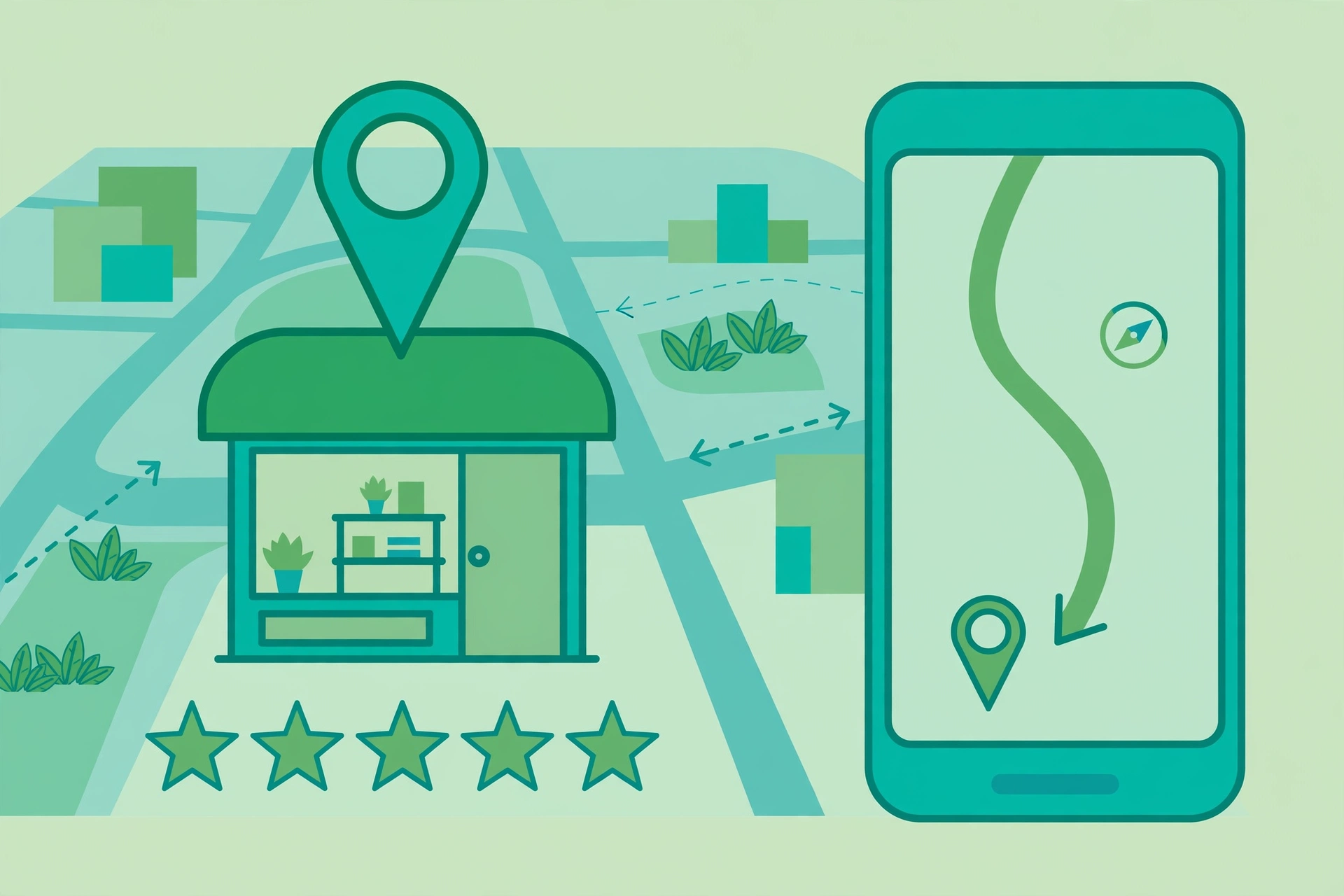
For most Indian local businesses, the most valuable piece of digital real estate is not the website or the Instagram page. It is the Google Business Profile that appears when someone searches for a service near them. That small box, with its map pin, photos, reviews, and call button, is where customers decide whether to call you, ask for directions, or move on to a competitor.
Yet most profiles are half finished. The owner claimed the listing years ago, added a name and a phone number, and never touched it again. In 2026, that is enough to lose. Google rewards complete, active, and trusted profiles, and customers trust the business that looks alive on Maps far more than the one with an empty listing and three-year-old photos.
This guide walks through full Google Business Profile optimisation for India, step by step: claiming and verifying, choosing the right category, completing every section, building reviews the honest way, posting regularly, and keeping the profile healthy week after week. It is written for shops, clinics, salons, restaurants, coaching centres, agencies, and service-area businesses across Indian cities and towns.
Why Your Profile Matters More Than Your Website for Local Discovery
When a customer searches ‘dentist near me’, ‘best biryani in Indiranagar’, or ‘plumber in Andheri West’, they rarely visit five websites and compare. They scan the map pack, check ratings and photos, and call one or two businesses. The profile is the shopfront in that moment, and it works even while your shop is closed, because customers can see hours, services, and directions at any hour.
Local results are driven mainly by three factors: relevance, distance, and prominence. You cannot move your shop closer to every searcher, but you can control relevance through categories and services, and prominence through reviews, photos, posts, and accurate information. A complete profile also feeds AI answers and voice results, which increasingly draw on business listings to answer ‘near me’ questions.
The cost argument is just as strong. A Google Business Profile is free, and for many small businesses it produces more calls per rupee of effort than any paid channel. That is why optimisation should come before new ad spend: ads send people to a listing that either converts them or loses them, and no ad budget fixes a half-empty profile.
Step 1: Claim and Verify Your Profile Correctly
Start at business.google.com, search for your business, and claim the existing listing if Google has already created one from public information. Never create a duplicate listing when verification fails: duplicates confuse Google, split your reviews, and can harm rankings. Fix the original listing instead.
Verification in India in 2026 is most commonly done by video verification. Record one continuous, well-lit video showing your shop sign, the interior, and you performing a normal business activity, such as opening your tools or logging into a business system. The business name on your sign must match the name you entered, or verification is likely to fail. Other methods, including postcard, phone, and instant verification for businesses already connected to Search Console, still exist for some categories, but video is the default to expect.
Service-area businesses, such as home salons, tiffin services, repair technicians, and tutors who visit customers, should set service areas instead of displaying a home address. Google has separate rules for businesses without a public shopfront, and getting this wrong is a common reason for suspension. Choose the cities and neighbourhoods you genuinely serve, and do not claim areas you cannot reach.
Step 2: Choose the Right Primary Category
Your primary category is the single most important ranking field on the profile. Google looks at it first when deciding which searches you are relevant for. Choose the most specific accurate category, not the broadest one: ‘South Indian restaurant’ will serve a dosa restaurant better than ‘restaurant’, and ‘physiotherapist’ will serve a physio clinic better than a general wellness category.
Add secondary categories only for services you genuinely offer, up to nine. A gym that also offers yoga classes, personal training, and nutrition advice can add those categories. A business that adds categories for services it does not offer risks suspension and, just as importantly, attracts the wrong customers who leave disappointed reviews.
Review your categories every six months. Businesses evolve: a salon adds bridal services, a clinic adds a new speciality, a store starts home delivery. Categories that no longer match the business should be removed, and new genuine ones added, so relevance stays accurate as the business changes.
Step 3: Complete Every Section, Not Just the Name and Phone
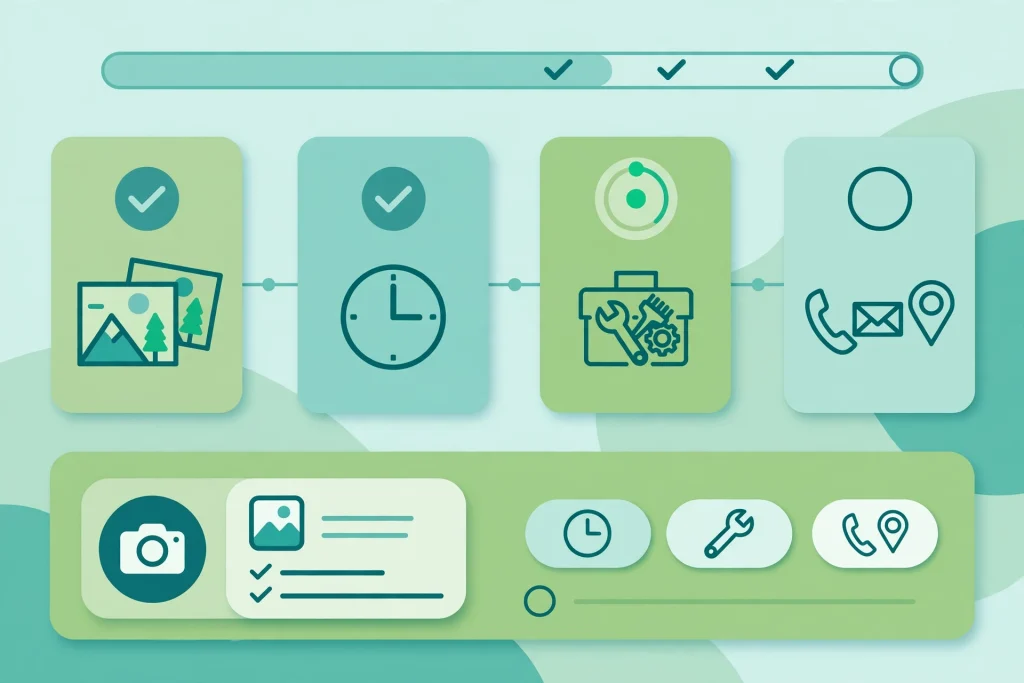
Most profiles stop after name, address, and phone number. Every empty section is a missed ranking signal and a missed chance to convince a customer. Work through the full list.
Write a business description of up to 750 characters that answers five questions in plain language: what you do, who you serve, what makes you different, where you operate, and what credentials you hold. Write it for a human first, and include your city and main service naturally rather than stuffing keywords. Never add keywords to your business name itself, such as ‘Best Salon Jaipur’, unless that is your genuine registered trading name: Google detects name stuffing and can suppress or suspend the listing.
List every service individually with its own description, rather than writing one vague line such as ‘dental services’. A clinic listing root canal treatment, teeth whitening, and braces separately will appear for those specific searches, while a generic listing will not. Add products where relevant, with prices where you can keep them current.
Keep hours accurate, including special hours for festivals. Diwali, Holi, Eid, and regional holidays change opening patterns across India, and a profile that says you are open when you are closed earns angry reviews. Update hours before every festival and whenever timings change. Select all attributes that genuinely apply: wheelchair access, parking, UPI and card payments, outdoor seating, and online booking. Attributes act as filters in search, so a customer filtering for UPI payment or wheelchair access will only see businesses that declared them.
Add your website, phone number, and WhatsApp contact where Google allows it. WhatsApp is how most Indian customers prefer to ask a quick question, and making that first message easy removes friction between discovery and enquiry. For broader local strategy, this profile work sits inside a wider approach covered in this guide to local SEO strategies that help small businesses get found.
Step 4: Photos and Videos That Earn Clicks
Photos are a ranking signal and a trust signal at once. Profiles with fresh, real photos get more direction requests and website clicks than profiles with stock images or none at all. Start with 10 to 20 photos and add new ones every month.
Upload photos that help a customer recognise and trust you:
- The exterior from two angles, so customers can find you
- The interior and seating or workspace
- Your team at work
- Products, dishes, or services in use
- Before and after examples where they make sense
- Certificates, awards, or equipment that prove credibility
Choose a clear logo and a strong cover photo, since these appear at the top of the listing. Avoid heavily filtered stock photos: customers notice, and a shop that looks different in person from its photos earns disappointed reviews. Short videos of the shop, the team, or a service being performed add even more credibility, and they are quick to record on a phone.
Step 5: Build Reviews Honestly and Reply to Every One
Reviews are the highest-leverage ranking factor you can actively influence, and they are also the first thing customers read. Build a simple, repeatable habit: after a good service, ask the customer for a review, and make it easy with a short link sent by WhatsApp or SMS, or a QR code at the counter. Ask every customer the same way, and never offer discounts, gifts, or payments in return for a review: incentivised reviews violate policy and can be removed.
Reply to every review, positive and negative, within a day or two. Thank happy customers by name and mention the service they used. For negative reviews, stay calm, acknowledge the experience, apologise without arguing, and offer a way to resolve it offline, such as a phone number. Future customers judge you more by how you handle complaints than by the complaint itself. A fake or unfair review cannot simply be deleted: report it through Google’s process and appeal once if needed, but focus your energy on earning many genuine ones, which outweigh a single unfair rating.
Track review performance monthly: how many new reviews, your average rating, and how many you replied to. A business gaining two or three genuine reviews a week will steadily outrank a competitor with a higher rating but no new reviews for a year, because freshness is part of prominence.

Step 6: Post Updates Two to Three Times a Week
Google Business Profile posts are a live signal that almost nobody uses consistently, which is exactly why they work. Post offers, new services, events, festival hours, customer stories, and helpful tips two to three times a week. Each post should include the service and the city naturally, a photo, and a clear next step such as calling or visiting.
Tie posts to the Indian calendar. Festival offers, seasonal services, and holiday hours are natural post topics, and they match what customers are searching for in that week. A salon posting bridal packages before wedding season, or a sweets shop posting Diwali gift boxes in October, is answering demand at the moment it peaks.
Repurpose content you already create. A blog post can become a profile post with a shorter summary, a WhatsApp broadcast can become a profile update, and a customer question can become a post that answers it publicly. The goal is a profile that looks active and current whenever a customer checks it, not a burst of ten posts followed by silence.
Step 7: Keep NAP Consistent Everywhere
Your name, address, and phone number must be identical everywhere they appear: your profile, your website, Justdial, Sulekha, IndiaMART, Zomato, Facebook, and any other directory. Even small differences, such as a different phone format or an abbreviated address, weaken Google’s confidence that all these listings describe the same business.
Audit your citations twice a year. Search your business name and phone number, list every directory that appears, and correct mismatches. Remove duplicate listings where you can, and make sure your website’s contact page and footer carry the same details, ideally with a map embed. Add LocalBusiness schema to your website and link it to a dedicated location page rather than only the homepage, so search engines can connect the profile, the website, and the location with confidence.
For businesses with multiple locations, give each location its own profile, its own location page, and its own review strategy. A single profile covering three cities will rank well in none of them.
Step 8: Measure What Actually Brings Customers
Check your profile insights monthly: how many people found you through Search versus Maps, how many called, asked for directions, visited your website, or messaged you. Note which photos get viewed most, which posts get clicks, and which search queries show your profile. These numbers tell you what to do next far better than a single rating score.
Connect profile performance to real business outcomes. Ask new customers how they found you, and record it for a month. If Maps drives most calls but your website drives most high-value enquiries, your follow-up should differ by channel: faster WhatsApp replies for Maps customers, and detailed service pages for website visitors. WhatsApp follow-up deserves its own system, and this guide to WhatsApp marketing for Indian businesses in 2026 shows how to turn those first messages into bookings without spamming customers.
Set a monthly routine and keep it small enough to survive busy weeks: update photos, publish eight to twelve posts, request reviews from recent customers, reply to all new reviews, and check hours and services. Thirty minutes a week on this routine will beat a one-time optimisation effort every time.
Mistakes That Damage a Profile
The most damaging mistakes are avoidable. Keyword-stuffing the business name, creating duplicate listings, buying fake reviews, choosing categories you do not offer, and leaving festival hours outdated all risk suspension or lost trust. Less dramatic but equally common is the profile that is optimised once and then abandoned: photos age, services change, and competitors who post weekly slowly overtake it.
Another mistake is treating the profile as separate from the rest of marketing. Reviews should be requested at the counter and by WhatsApp, posts should echo your email and social campaigns, and profile insights should inform what you write about next. When the profile, website, and messaging all tell the same story, customers believe it. Email still plays a supporting role for local businesses, especially for repeat customers and seasonal offers, as explained in this guide to email marketing for Indian small businesses.
A 30-Day Optimisation Plan
Week one: claim, verify, fix the name and category, and complete every section. Week two: upload 20 photos, list all services with descriptions, and set accurate hours including upcoming festivals. Week three: start the review habit, reply to all existing reviews, and publish your first four posts. Week four: audit directories for NAP consistency, add schema to your website, and review insights to plan the next month. By day 30, the profile should be complete, active, and already bringing more calls than it did before.
FAQ
How long does Google Business Profile optimisation take to show results?
Most businesses see more calls and direction requests within four to six weeks of completing the profile and starting regular posts and reviews. Competitive city categories can take two to three months of steady activity.
Can I rank without a physical shop?
Yes, if you are a service-area business. Set the areas you serve, hide your home address, and follow Google’s service-area rules. You still need verification, accurate categories, and genuine reviews.
How many reviews do I need?
There is no fixed number, but steady growth matters more than a single total. A business gaining genuine reviews every week will outrank a competitor with many old reviews and none recent, even if the ratings are similar.
Should I respond to negative reviews?
Yes, always, calmly and promptly. A thoughtful reply shows future customers how you handle problems, and it often turns an unhappy customer into a returning one when you offer a real resolution offline.
Do Google Business Profile posts really help rankings?
Posts are a live activity signal and they convert browsers into callers, especially for offers and events. They are not a substitute for categories, reviews, and complete information, but profiles that post regularly outperform identical profiles that do not.
Is a Google Business Profile enough on its own?
For many small local businesses it is the most important single channel, but it works best alongside a simple website, a WhatsApp contact route, and consistent reviews. Together they cover discovery, trust, and booking.
Conclusion
Google Business Profile optimisation in India is not a one-time task or a trick. It is a habit: a verified, complete profile, the right category, honest reviews answered promptly, fresh photos, regular posts, and consistent details everywhere customers find you. Competitor guides list the same fields, but the businesses that win are the ones that maintain the profile week after week, in step with Indian festivals, customer habits, and WhatsApp-first communication.
Start this week with the highest-impact actions: verify the profile, fix the primary category, complete every section, and ask your next five happy customers for a review. Those four steps alone will move most Indian local businesses ahead of competitors whose listings are still half finished. Keep the monthly routine going, measure calls and direction requests, and let the profile do what it is built to do: turn nearby searches into real customers.

4 Comments
Pingback: Online Reputation Management for Indian Businesses: Reviews, Trust and Growth in 2026
Pingback: LinkedIn Marketing for Indian B2B Brands: A Practical 2026 Guide to Pipeline
Pingback: SEO for Doctors in India: Rank Your Clinic on Google in 2026
Pingback: Real Estate SEO in India: A Practical 2026 Guide